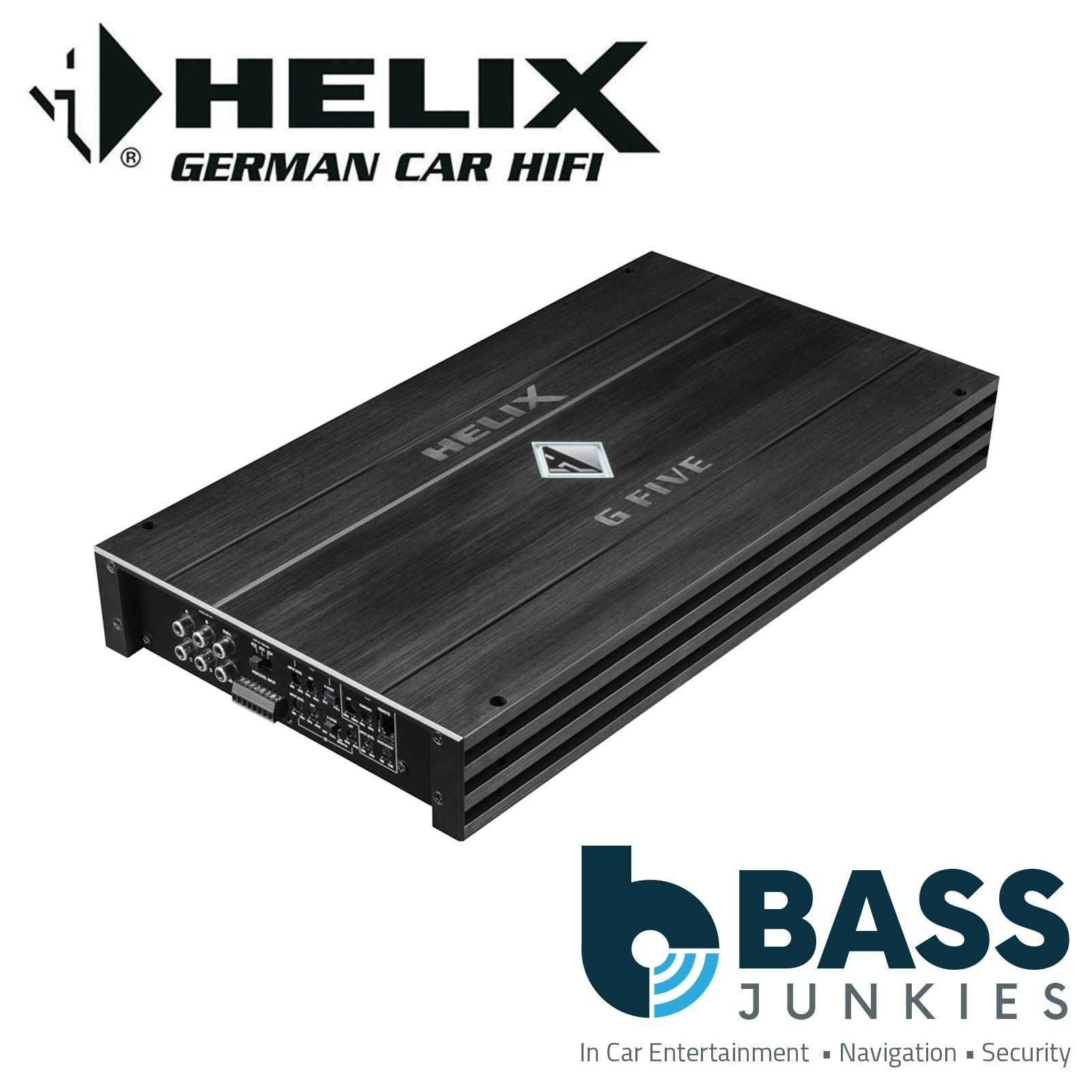
5 Channel Car Amplifiers
28 products
Showing 1 - 24 of 28 products
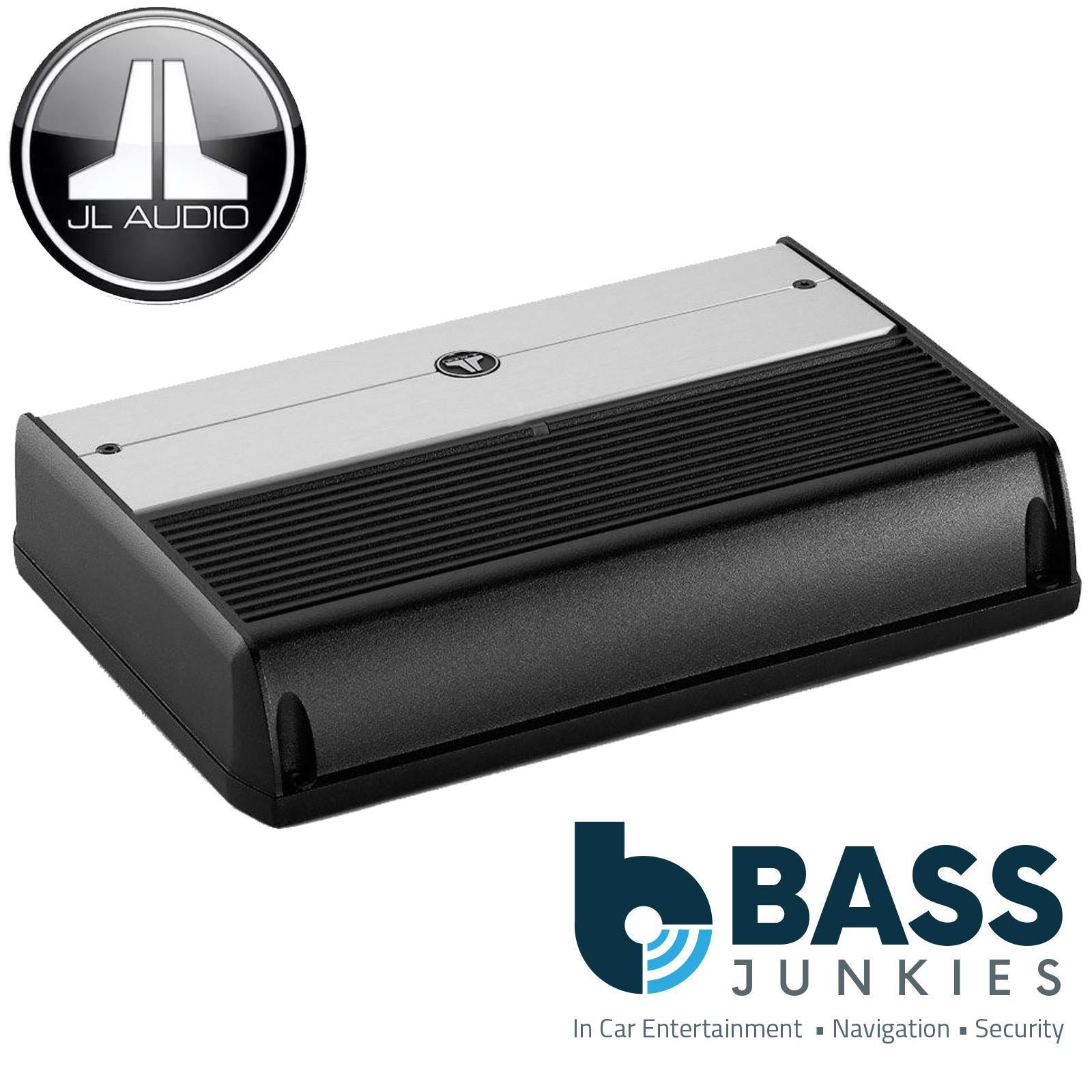
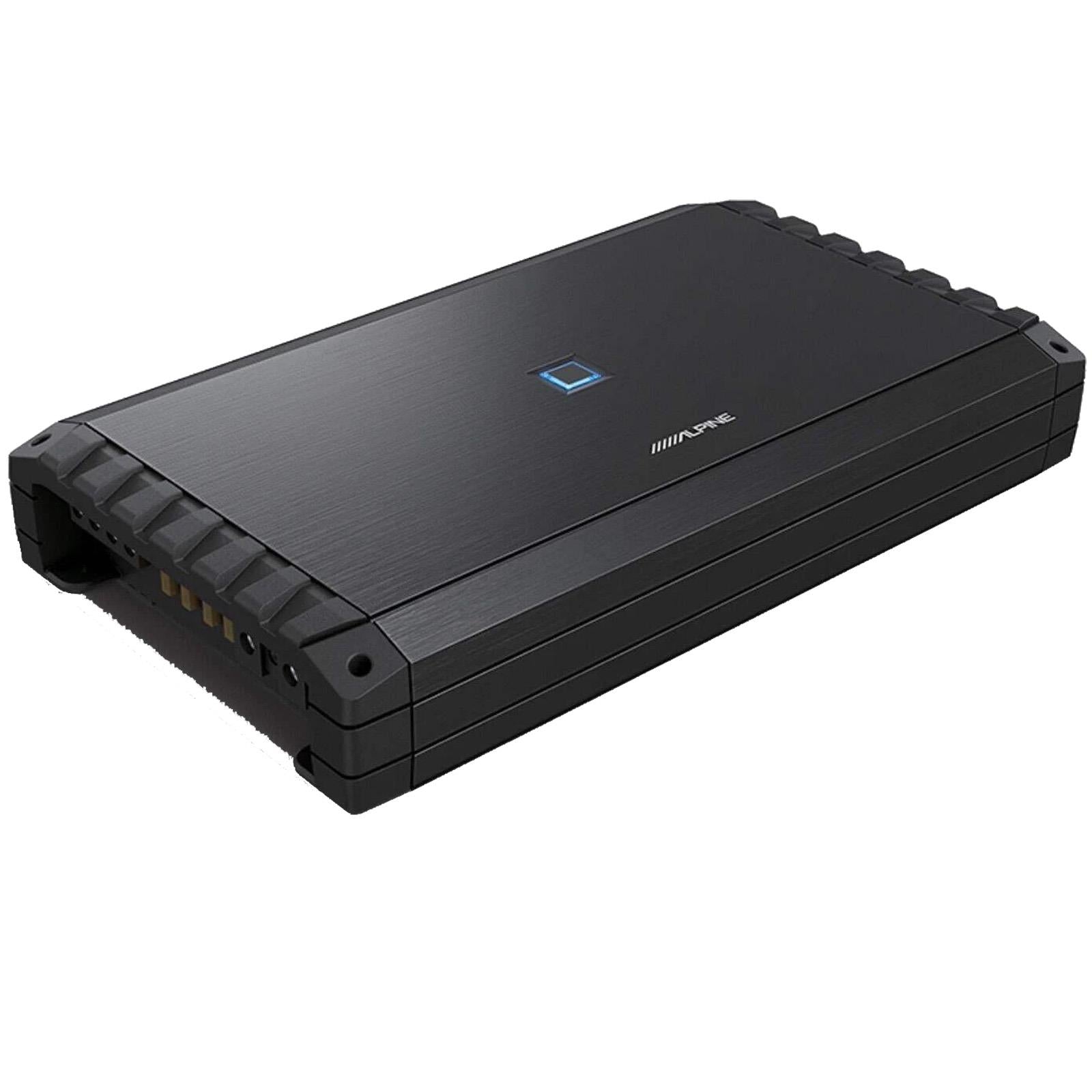
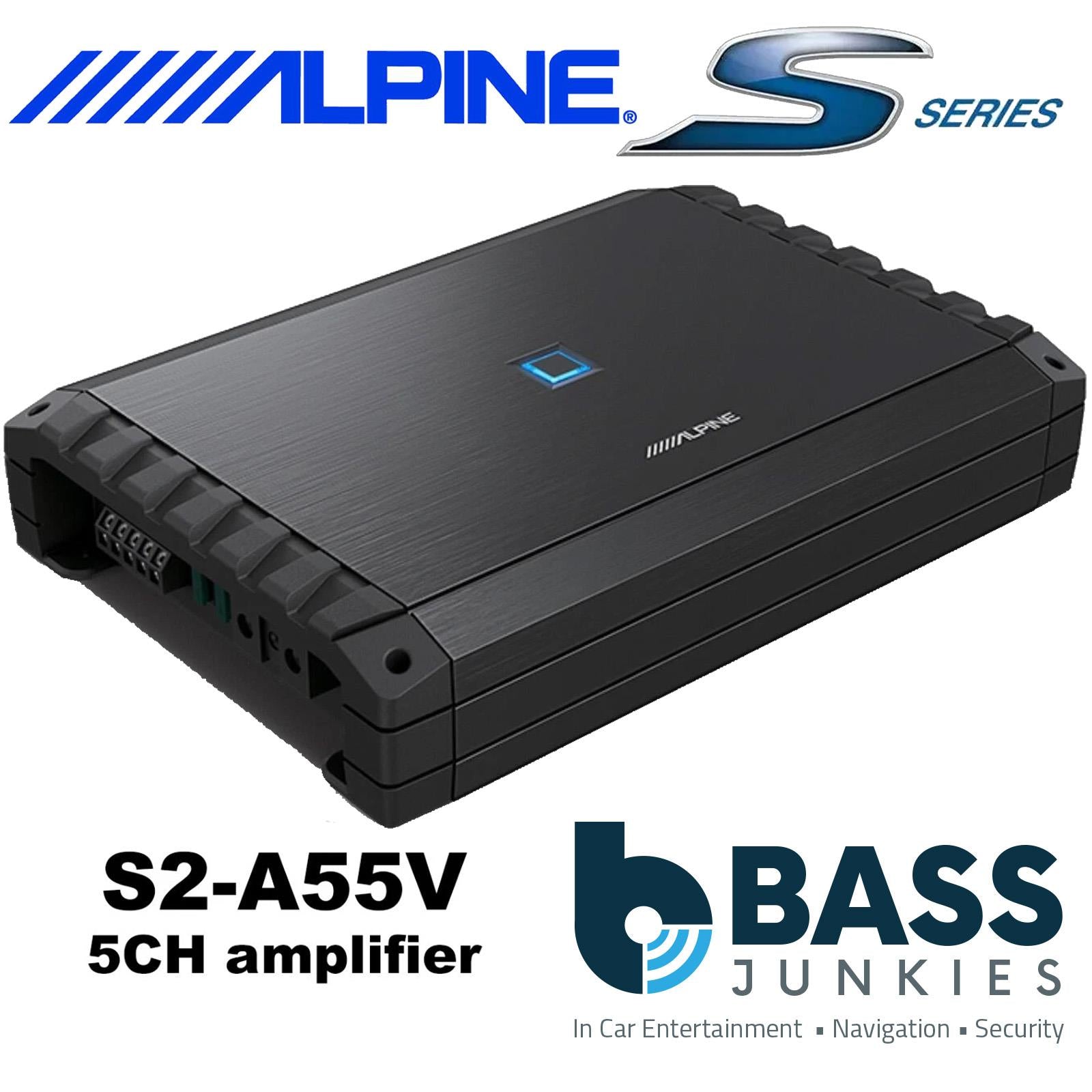
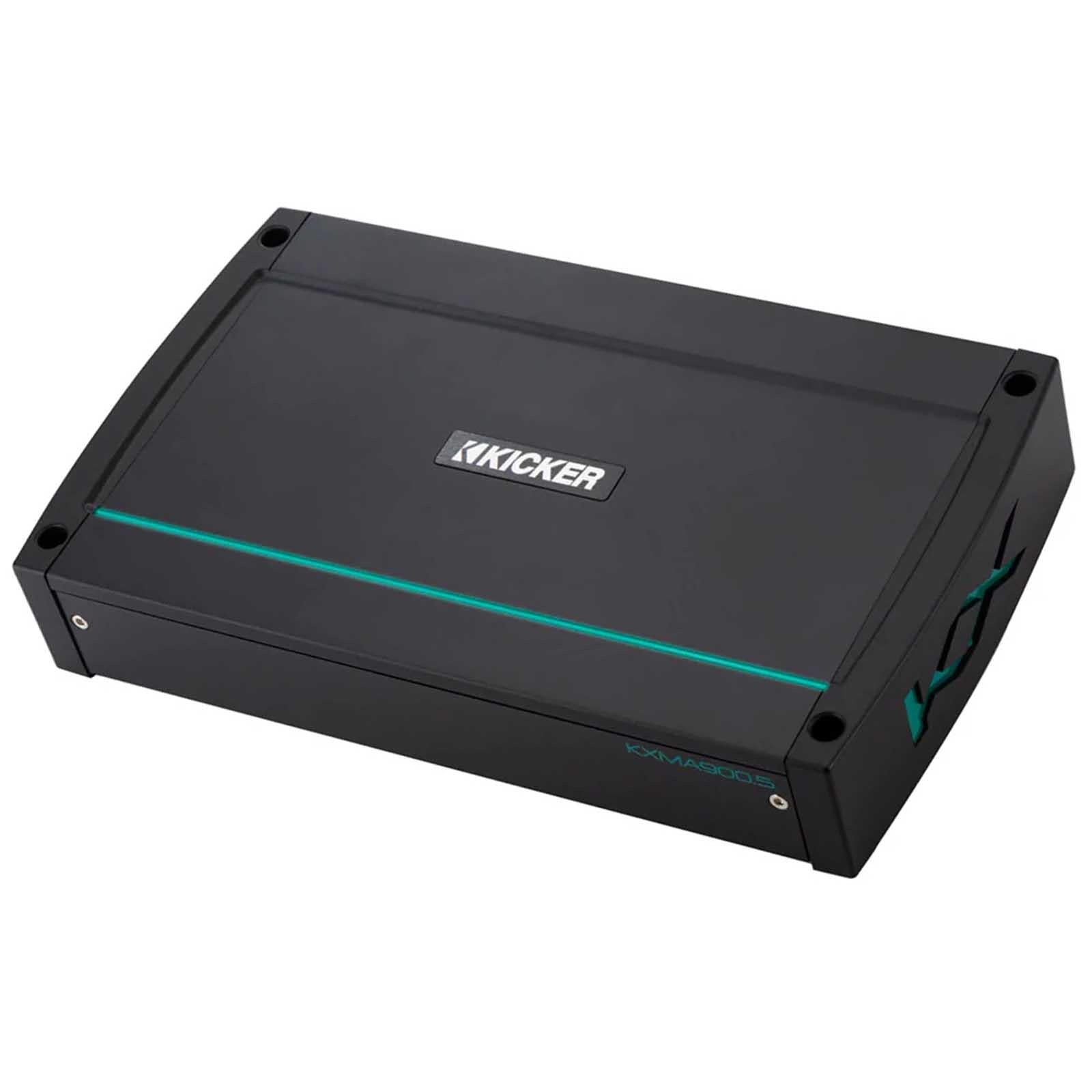
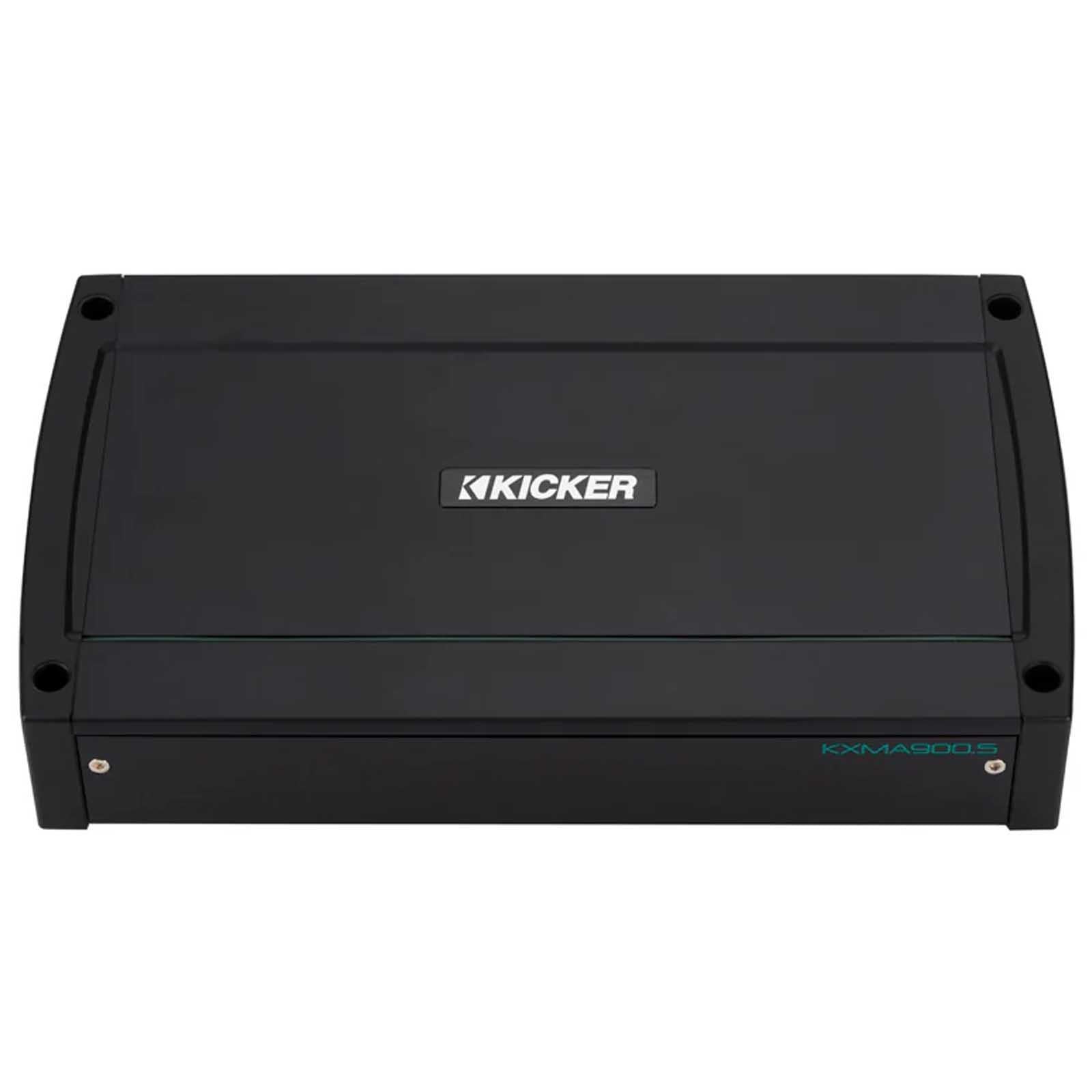
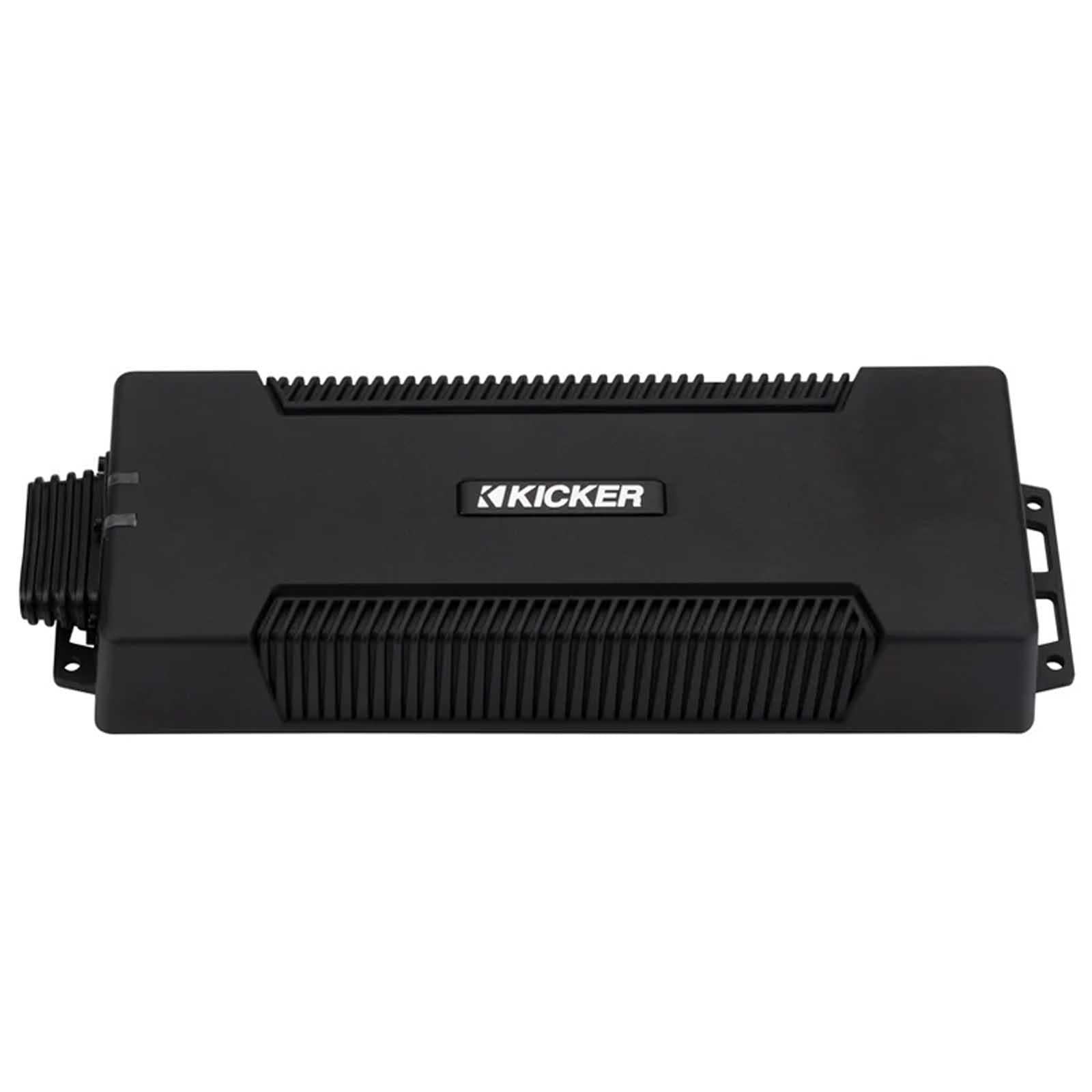
Run a complete system from one chassis with 5 channel car amplifiers that drive four full-range speakers plus a dedicated subwoofer output. Class-D power supplies stay cool under sustained load, with adjustable high-pass, low-pass and bass-boost crossovers on each section so tuning is straightforward. Choose from 600W to over 2000W RMS by JL Audio, Phoenix Gold, Vibe, Kenwood, Alpine and Hertz. Whether you are powering a hatchback build or a stealth van install, Bass Junkies ships every 5 channel amplifier fast.
Recently viewed
Why a 5 channel amplifier is the smart power solution in 2026
A 5 channel amplifier powers a full car audio system from one chassis. Four channels feed your front and rear speakers, the fifth channel drives a subwoofer. This means one set of power cables, one earth point, one signal feed and one space-saving installation, instead of the two-amp setup most builds used a decade ago. For UK drivers building a complete sound system, this is the most efficient route in 2026.
How 5 channel amplifiers work
The four full-range channels are typically rated at 50 to 100 watts RMS each, ideal for component or coaxial speakers. The fifth channel is a monoblock subwoofer channel, normally rated at 250 to 800 watts RMS depending on model. Each channel has its own crossover, gain and level control, so you can tune the front, the rear and the sub independently from one unit.
Matching speakers and subwoofers to channels
Plan your system before ordering the amp. Use the breakdown below as a quick reference.
- Front channels. Drive component or coaxial speakers in the front doors and dashboard. Look for 60 to 80 watts RMS per channel for a clean, dynamic top end.
- Rear channels. Drive coaxial speakers in the rear doors or parcel shelf. 40 to 60 watts RMS is enough for fill duty.
- Subwoofer channel. Drives one or two subwoofers. Match RMS power 1:1 with the subs to avoid clipping and protect the voice coils.
- Bridging options. Most 5 channel amps allow front and rear pairs to be bridged for higher power if you only run two speakers.
Power output and continuous RMS ratings
Always buy on RMS, not peak. A 1000 watt peak amp may only deliver 250 watts RMS, which is not enough for a sub. The CEA 2006 RMS standard is the cleanest benchmark to compare brands. Bass Junkies lists the certified RMS figure on every amplifier product page so you can buy with confidence.
Brand quality at a glance
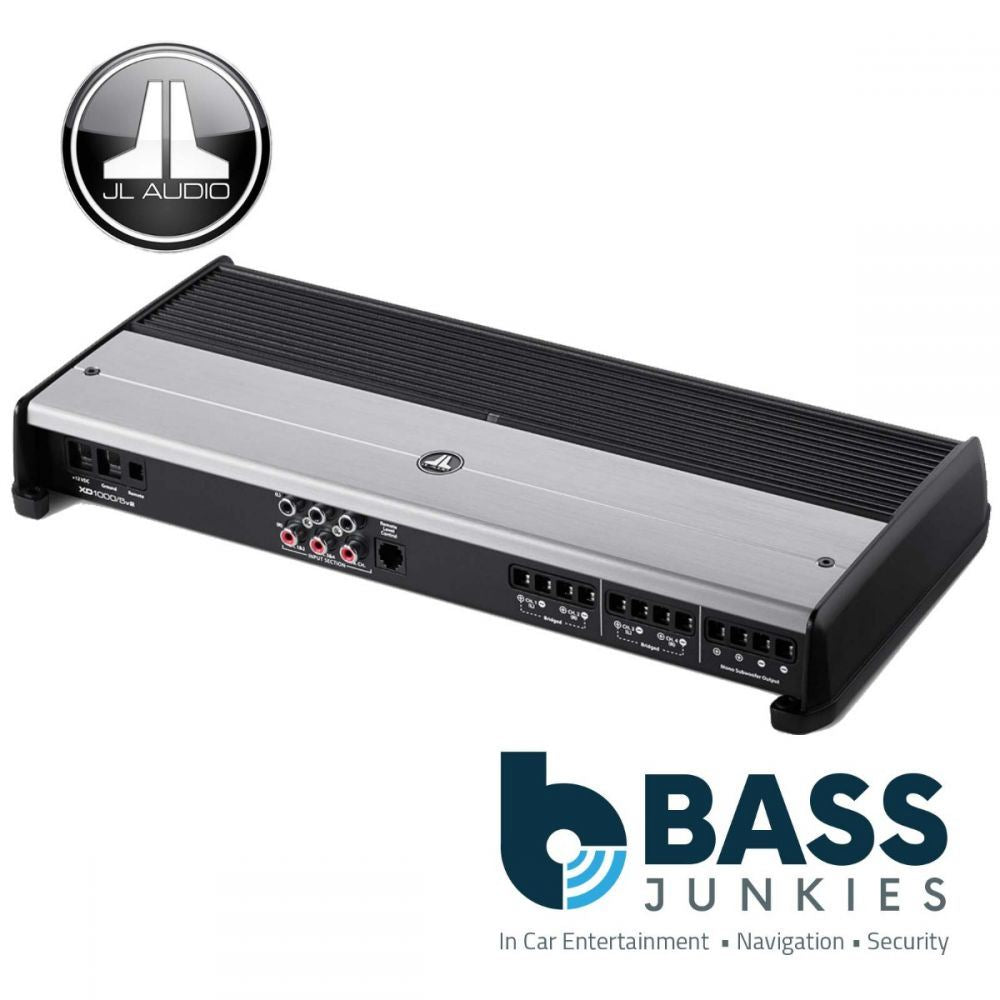
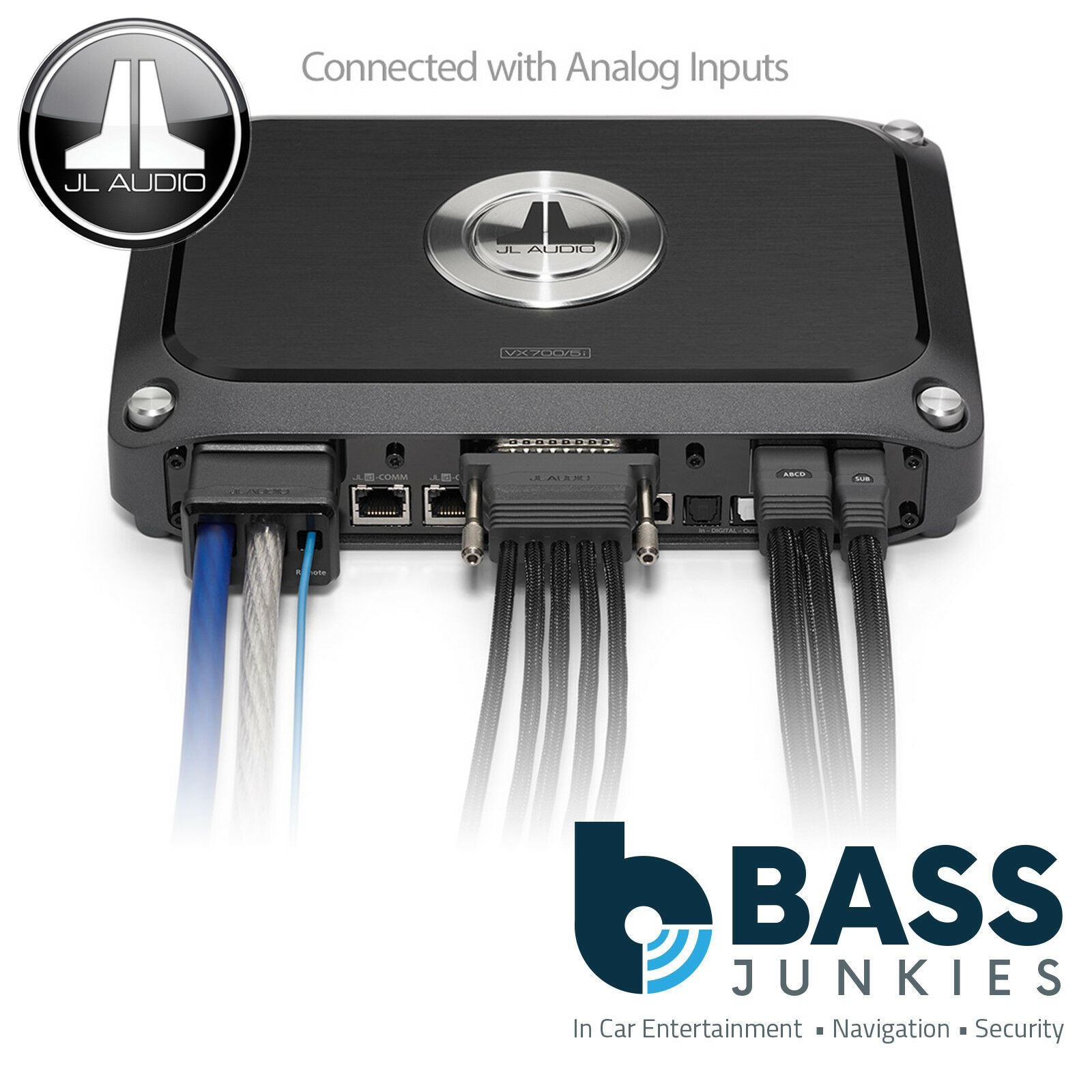
- JL Audio. MX, XD and HD series are the UK reference for clean, repeatable 5 channel power.
- Pioneer GM-D series. Best value for everyday system builds, reliable and easy to tune.
- Rockford Fosgate. Punch and Prime ranges have a strong following for modern hip-hop and electronic builds.
- Kicker KX and CX. Punchy bass channel and dependable build for daily-driver installations.
- Audison. Italian-engineered SR and AP ranges, the choice for sound-quality competition cars.
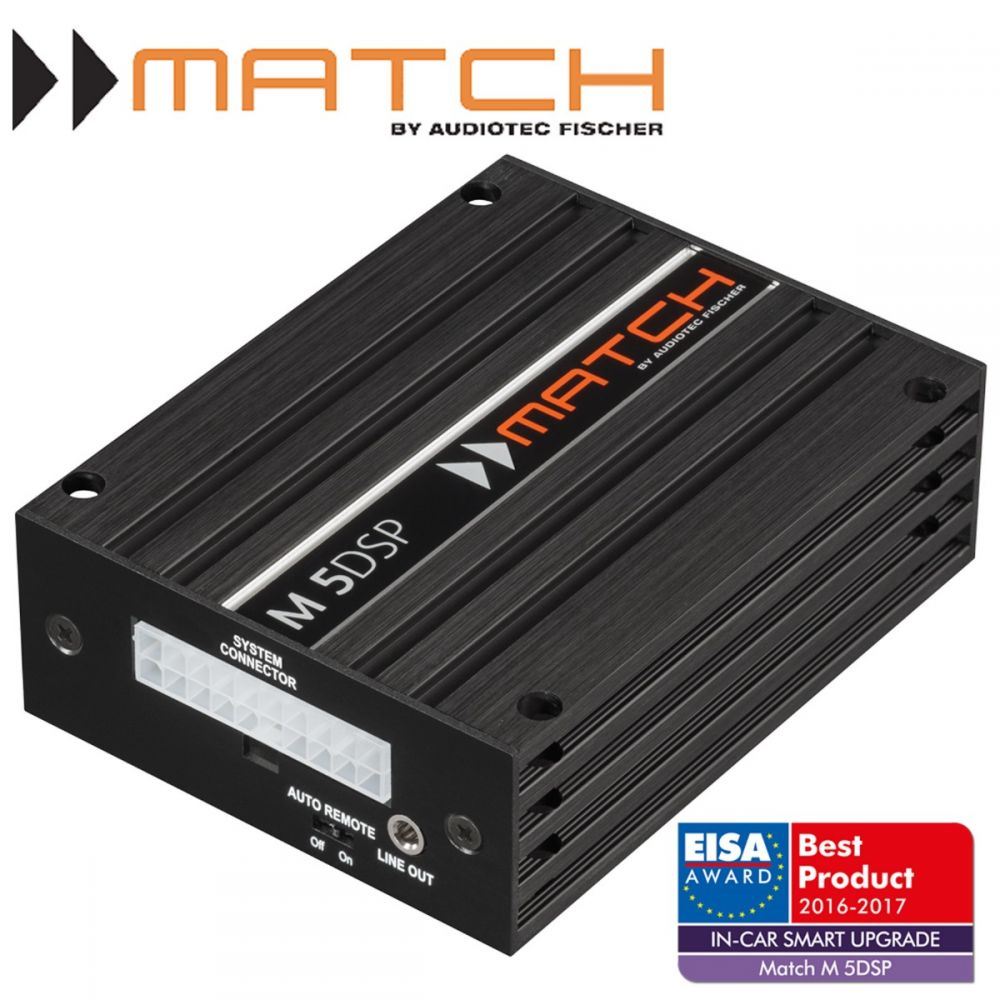
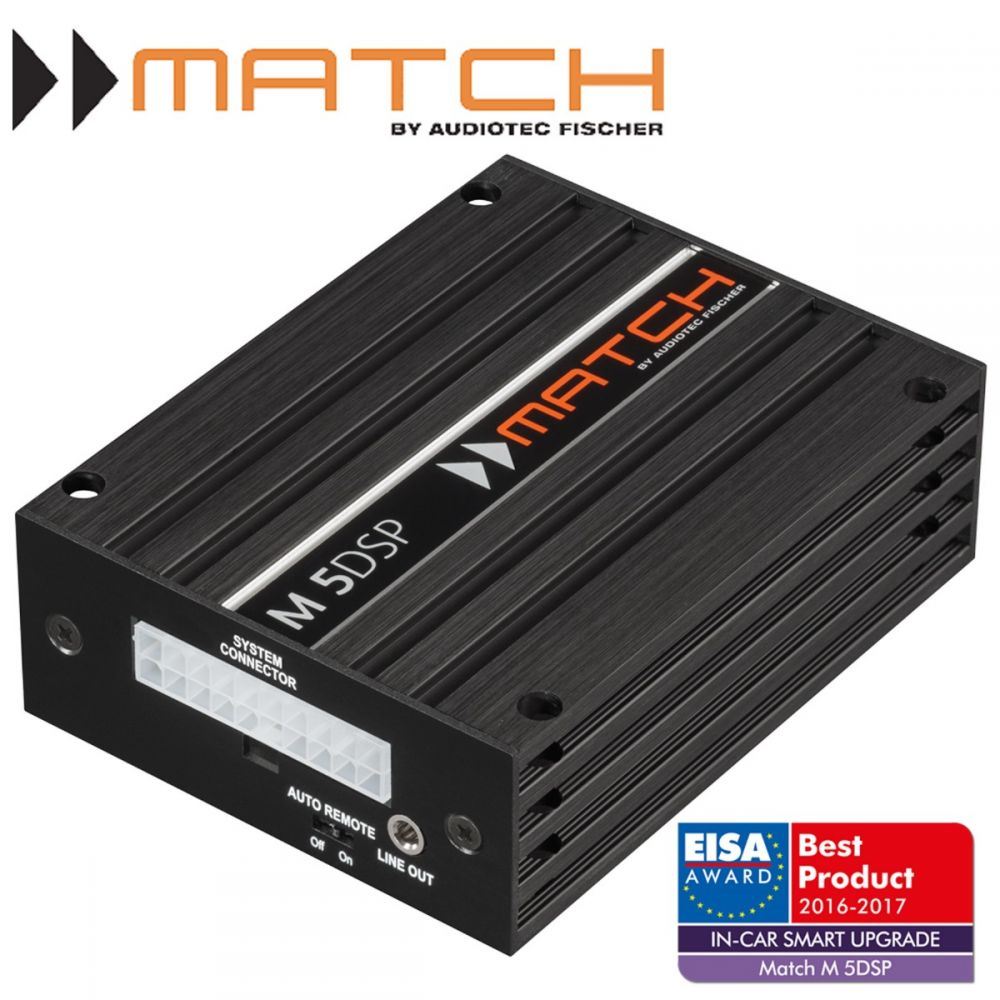
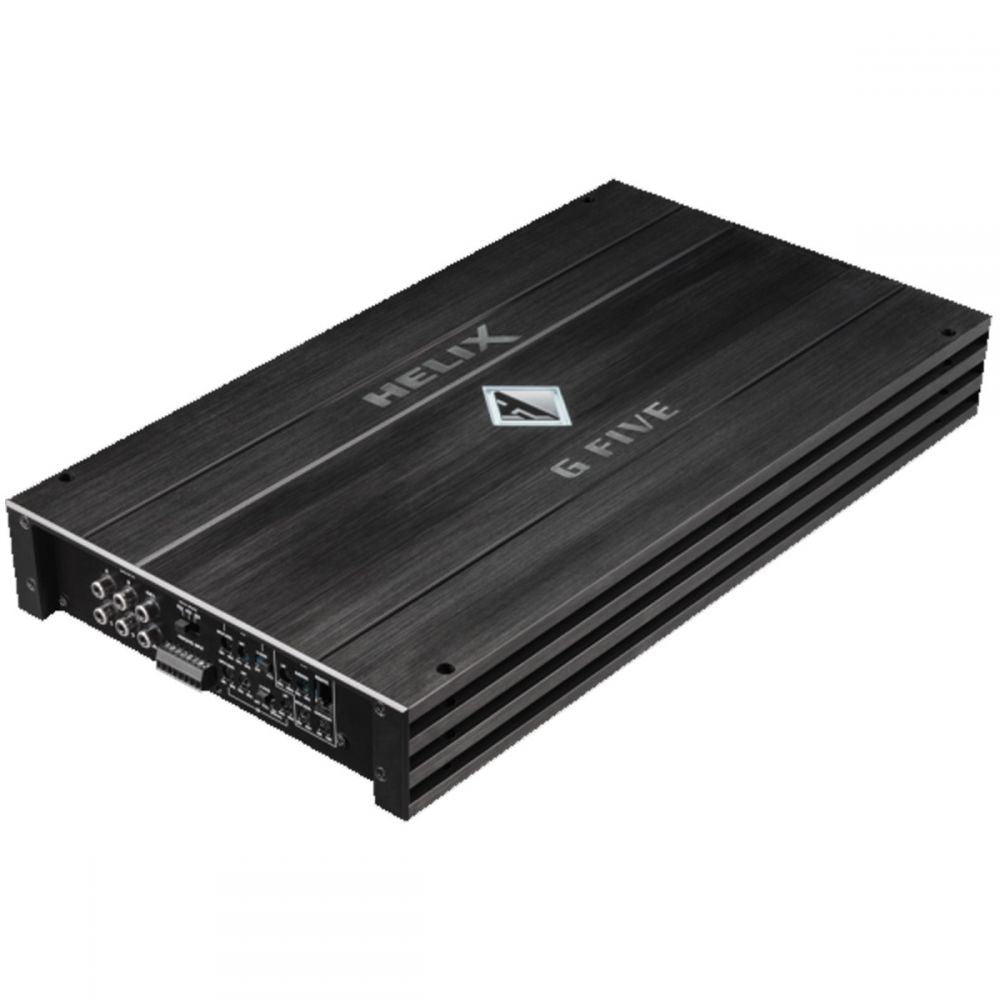
- Match and Helix. German brands with very low noise floors, ideal for OEM-integration builds.
Compatibility and fitting
Every 5 channel amplifier install needs a properly fused power feed, an earth point and a signal feed from the head unit. The four supporting parts below finish a clean dashboard appearance.
- Fascia adapter. Lets the new head unit sit flush in your factory dashboard opening without cutting or modification.
- ISO harness. Plug-and-play wiring loom that connects the new stereo to your car's original electrical loom without splicing.
- Steering-wheel control adapter. Keeps your existing wheel-mounted volume, track and phone buttons working with the new aftermarket head unit.
- Aerial adapter. Converts your car's factory aerial connector to the DIN-style input found on most aftermarket stereos so radio reception stays strong.
Class D versus Class AB efficiency
Modern 5 channel amplifiers are normally full Class D on every channel. Class D runs cooler, draws less current from the alternator and fits in smaller boot spaces. A few premium models use Class AB for the four full-range channels, claiming smoother high frequencies. Most listeners cannot reliably hear the difference, and the Class D efficiency advantage usually wins for daily driving.
Installation tips and signal routing
Run power cable down one side of the car and RCA signal cable down the opposite side to keep alternator whine out of the speakers. Use the amplifier's high-pass crossover on the front and rear channels at 70 to 80 Hz, and the low-pass crossover on the sub channel at the same point, so the subwoofer and the speakers blend without overlap.
Bass Junkies has been fitting and supplying car audio across the UK since 1995. Our Wolverhampton workshop tests every product we sell, and our team can advise on the best match for your car, your budget and the sound you want. If you would prefer to talk it through before ordering, call us on 01902 863 005 or drop in for a demo.