Vehicle Specific Reverse Cameras UK
36 products
Showing 1 - 24 of 36 products
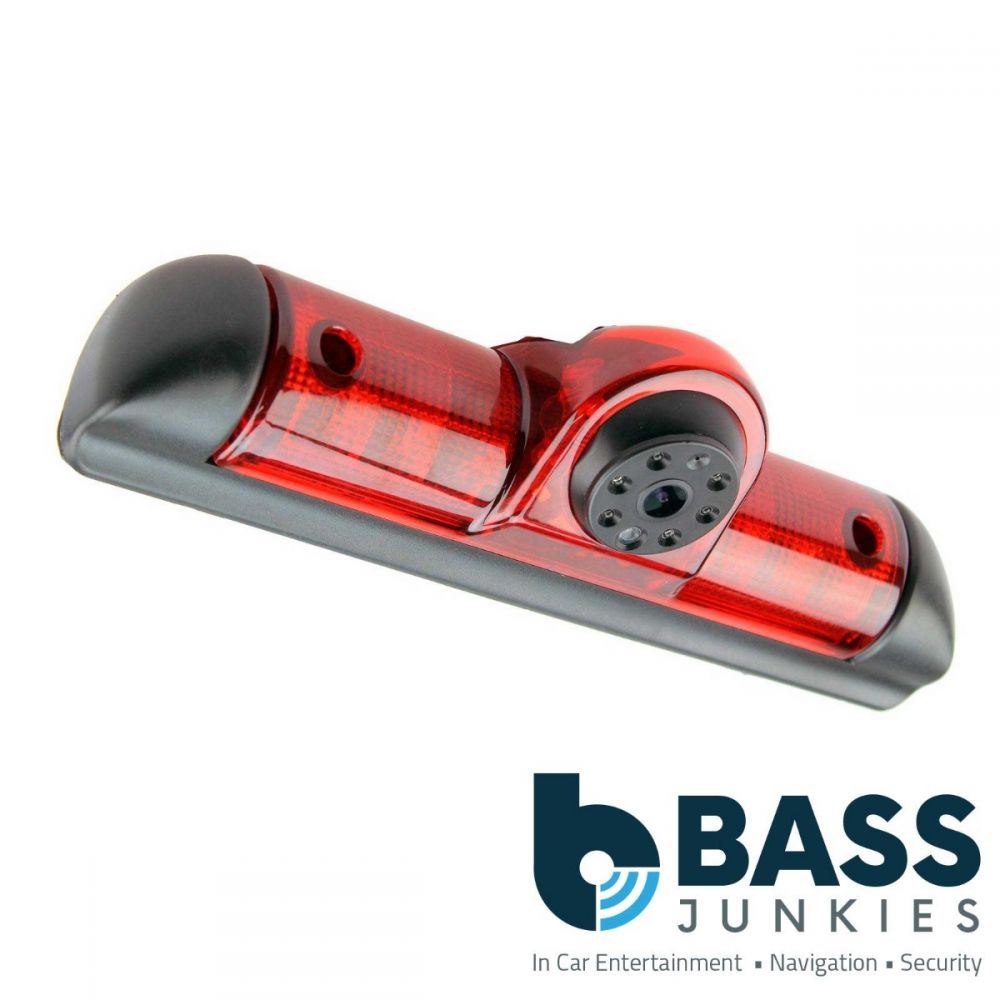
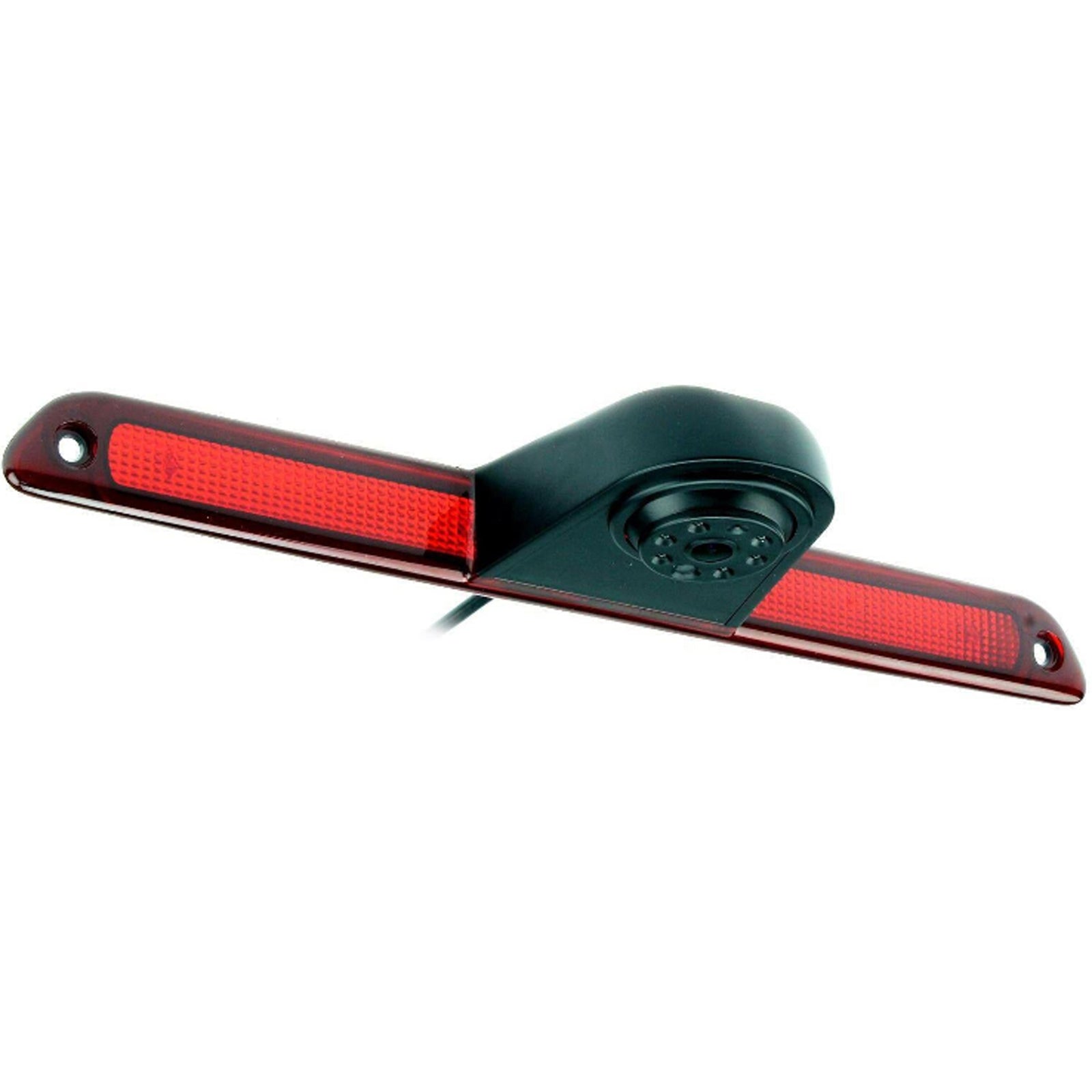
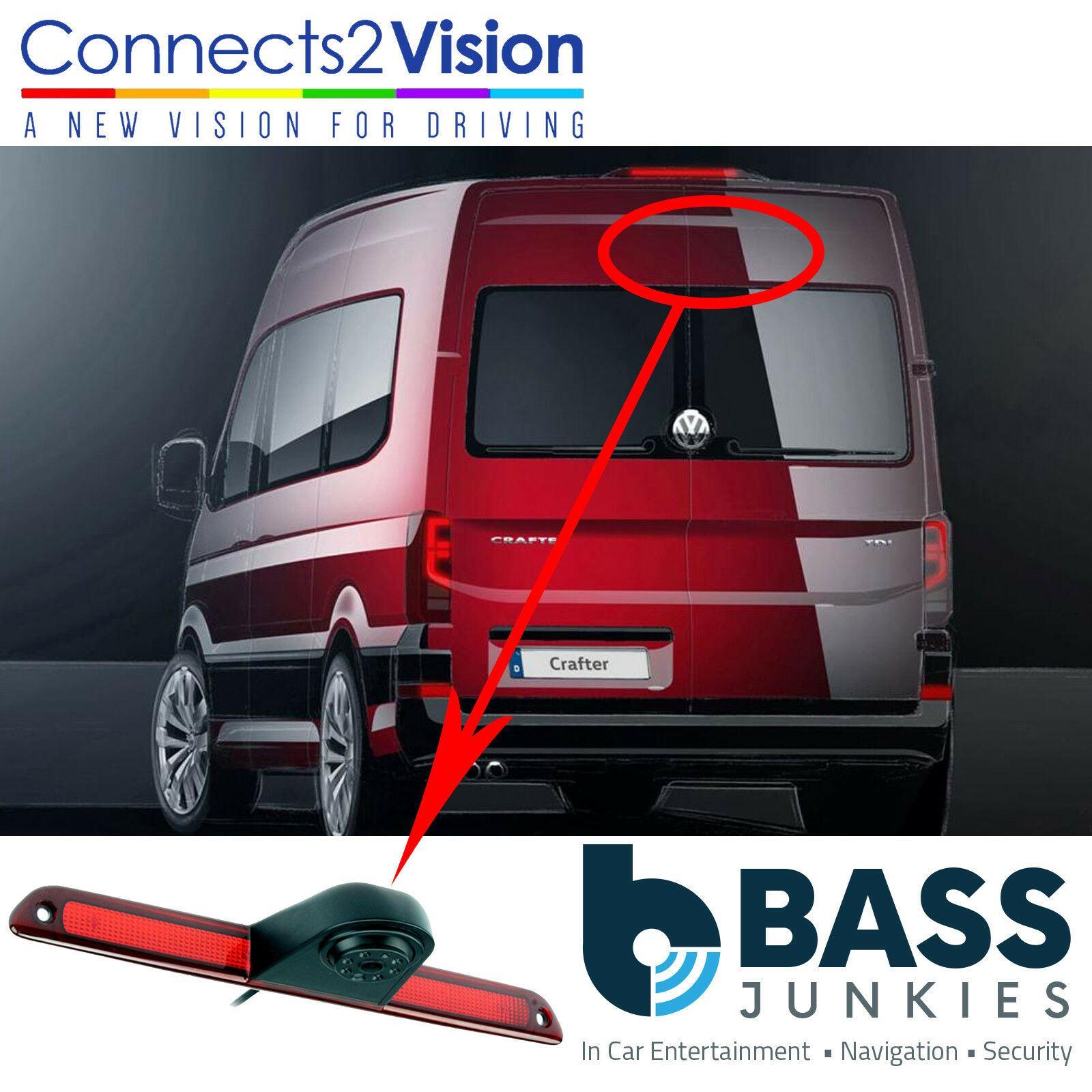
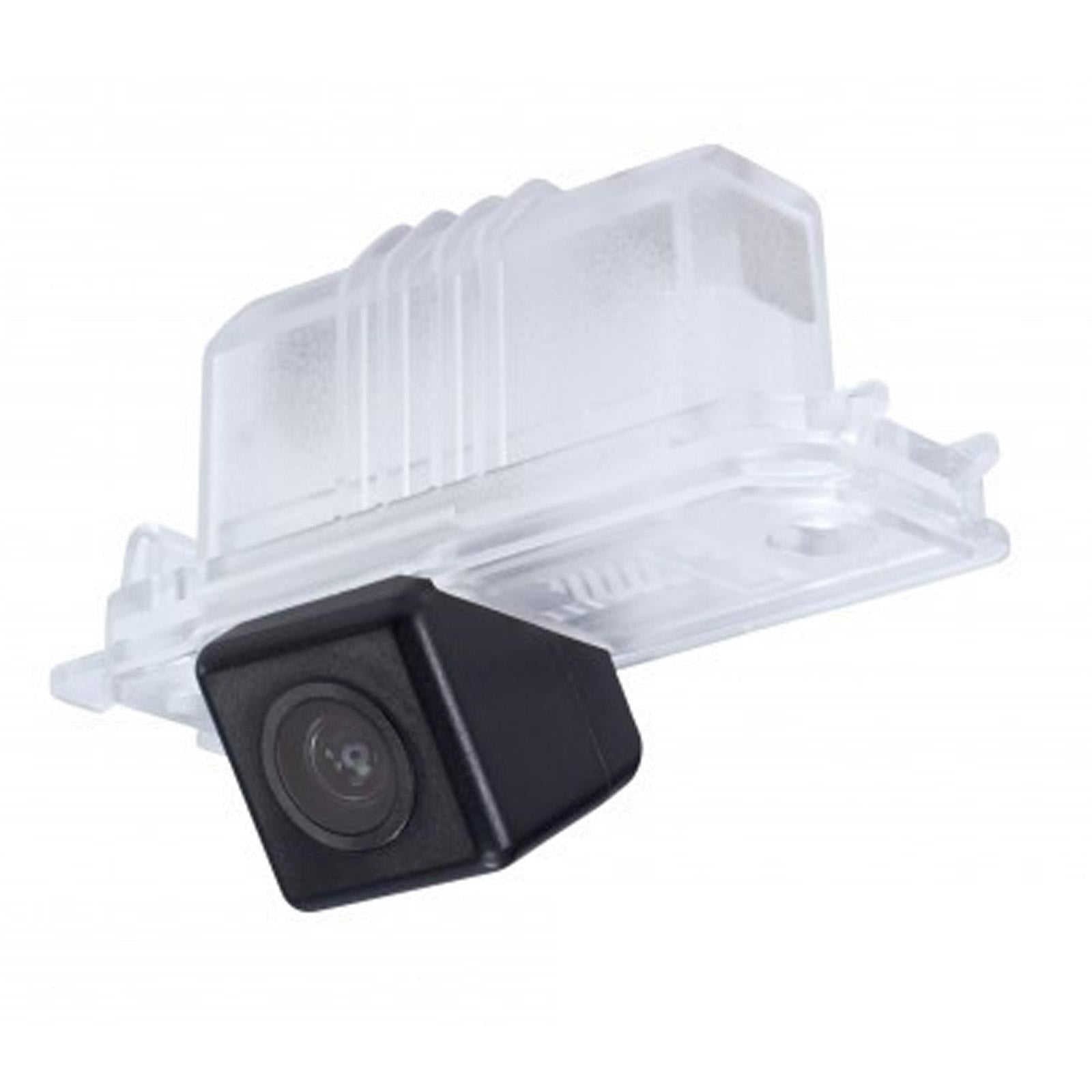
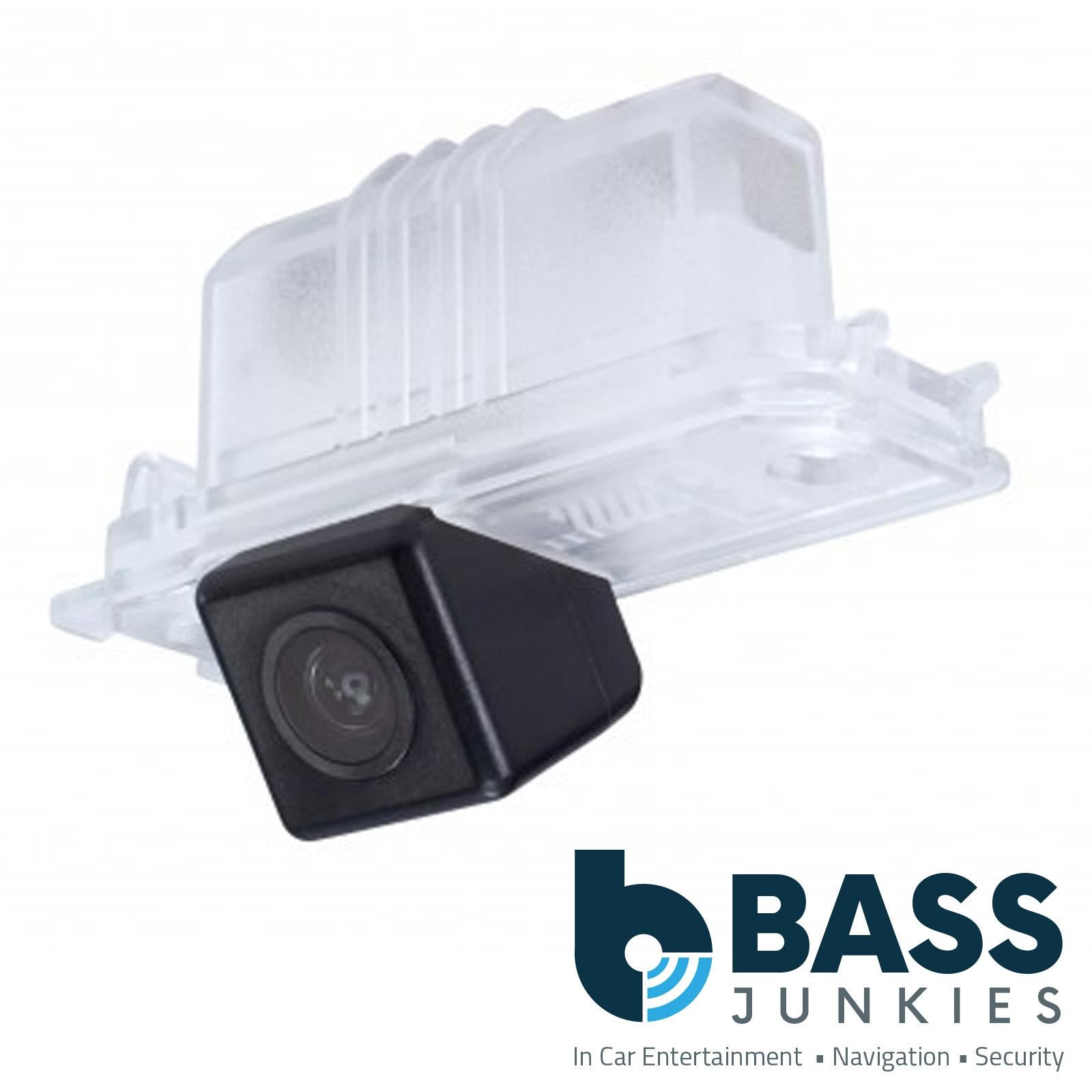
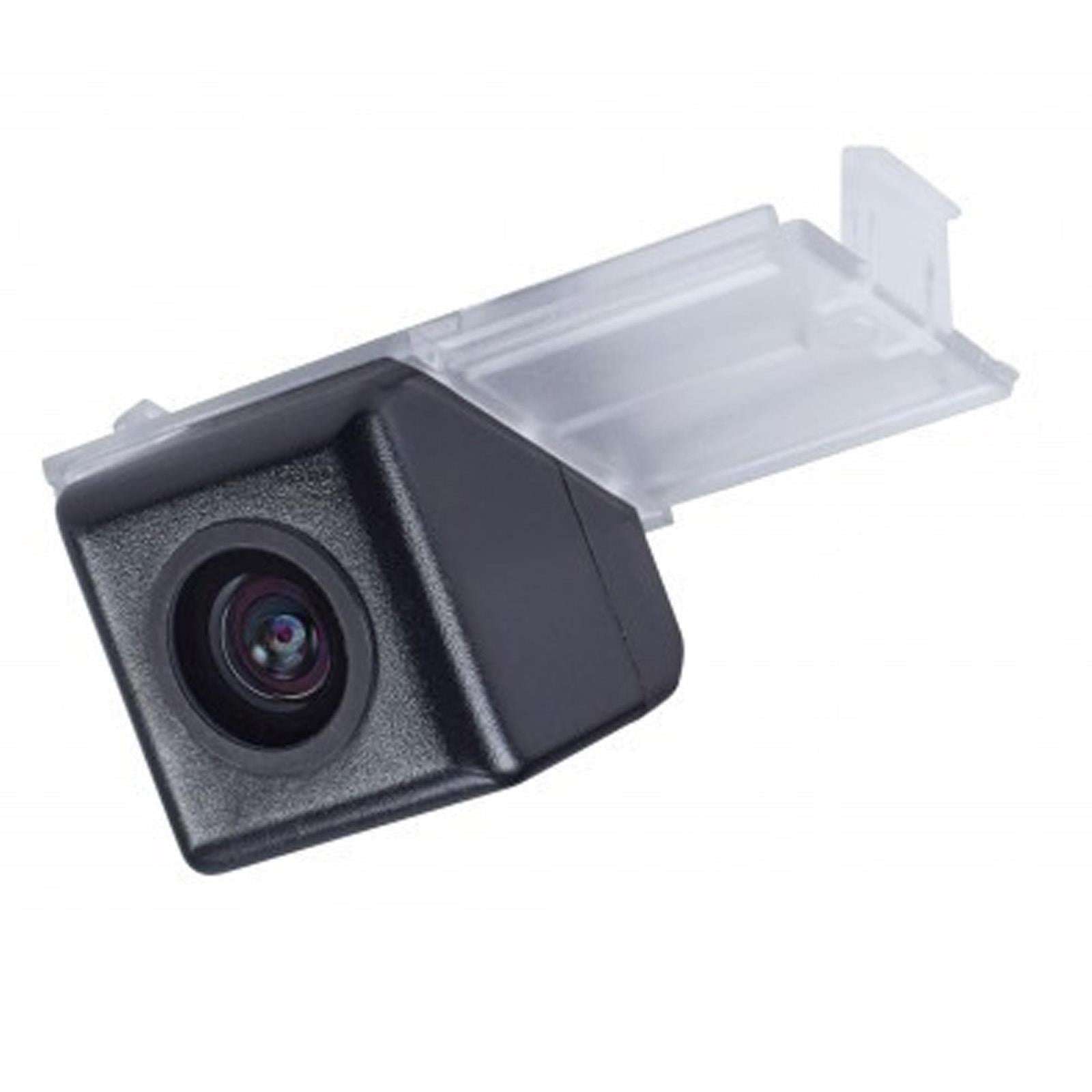
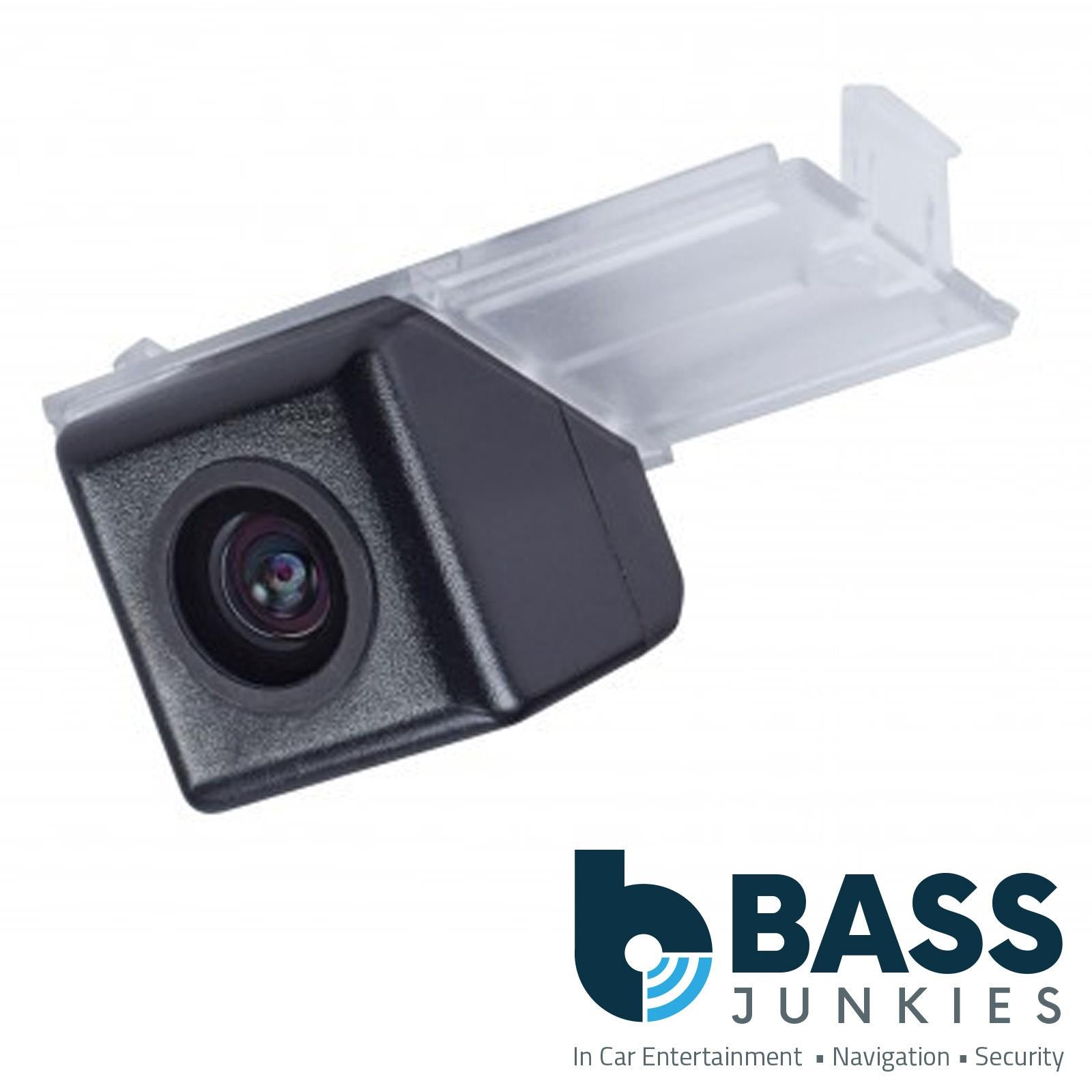
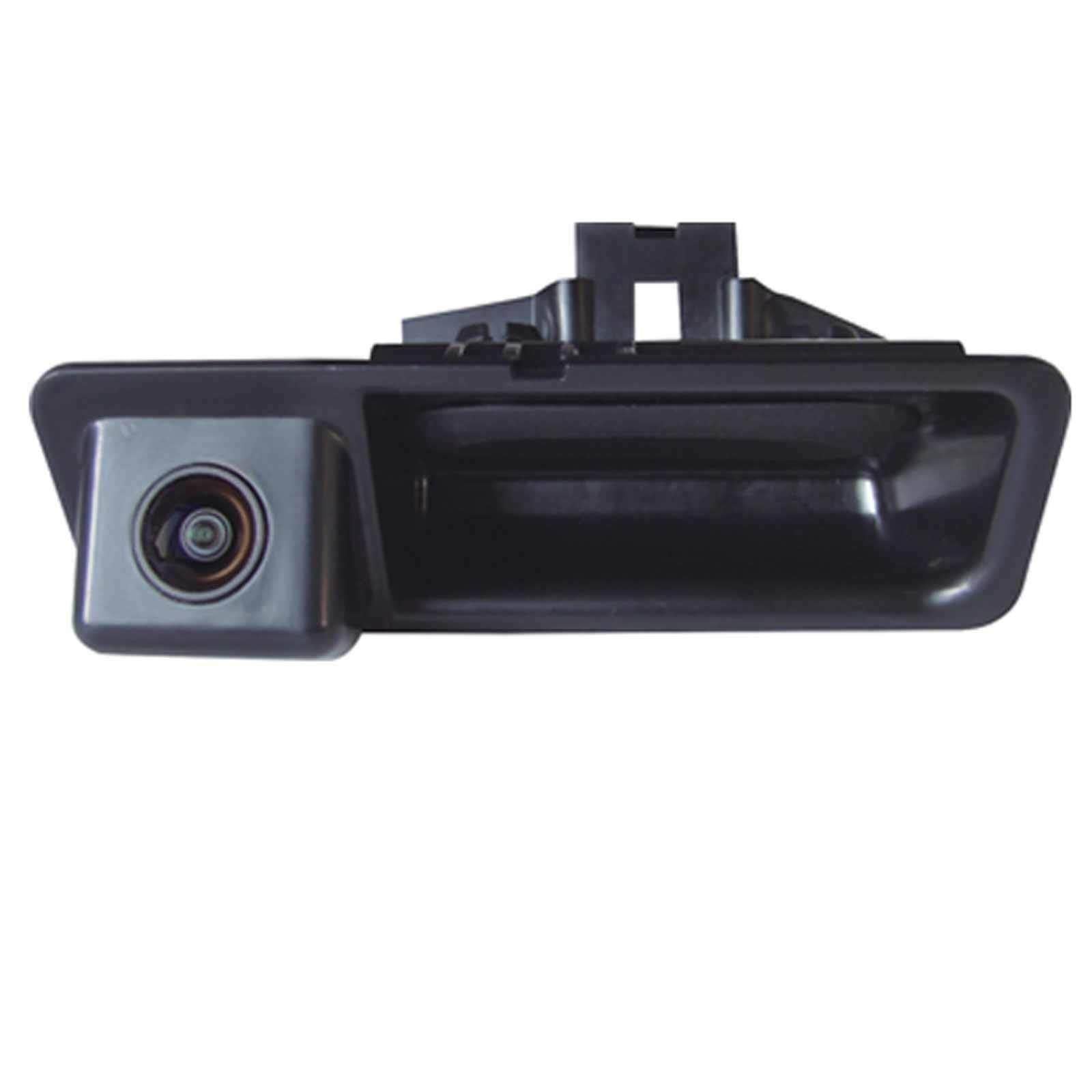
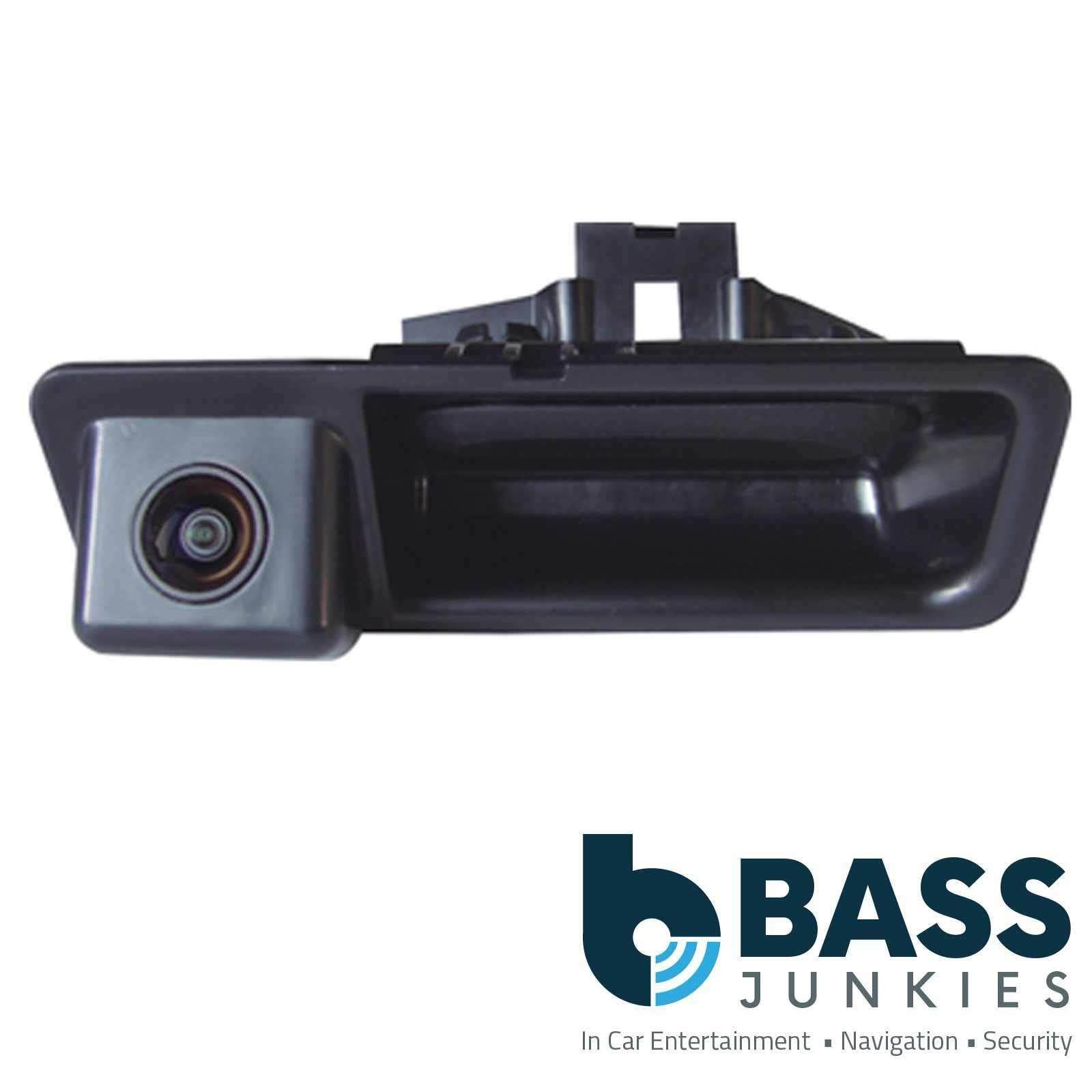
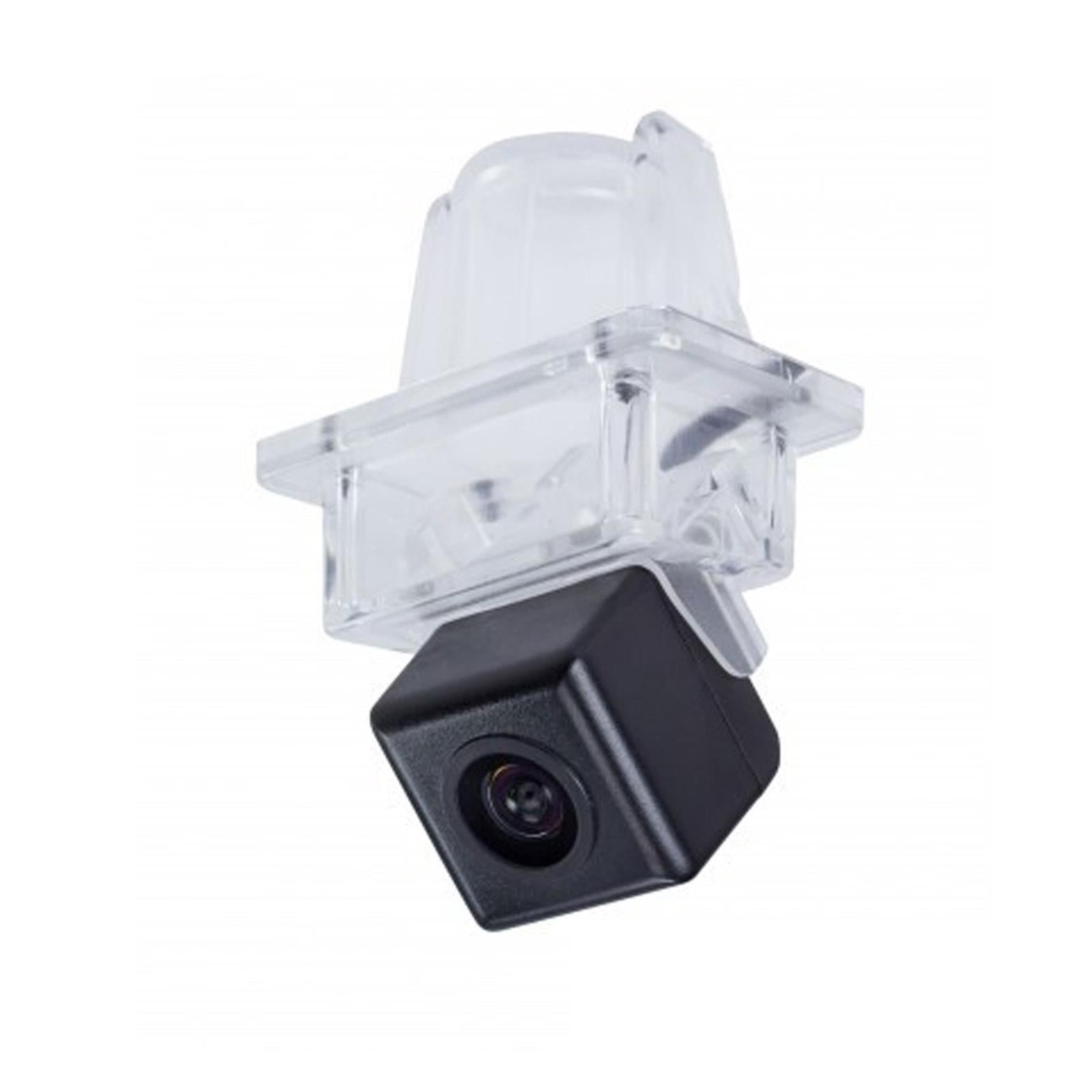
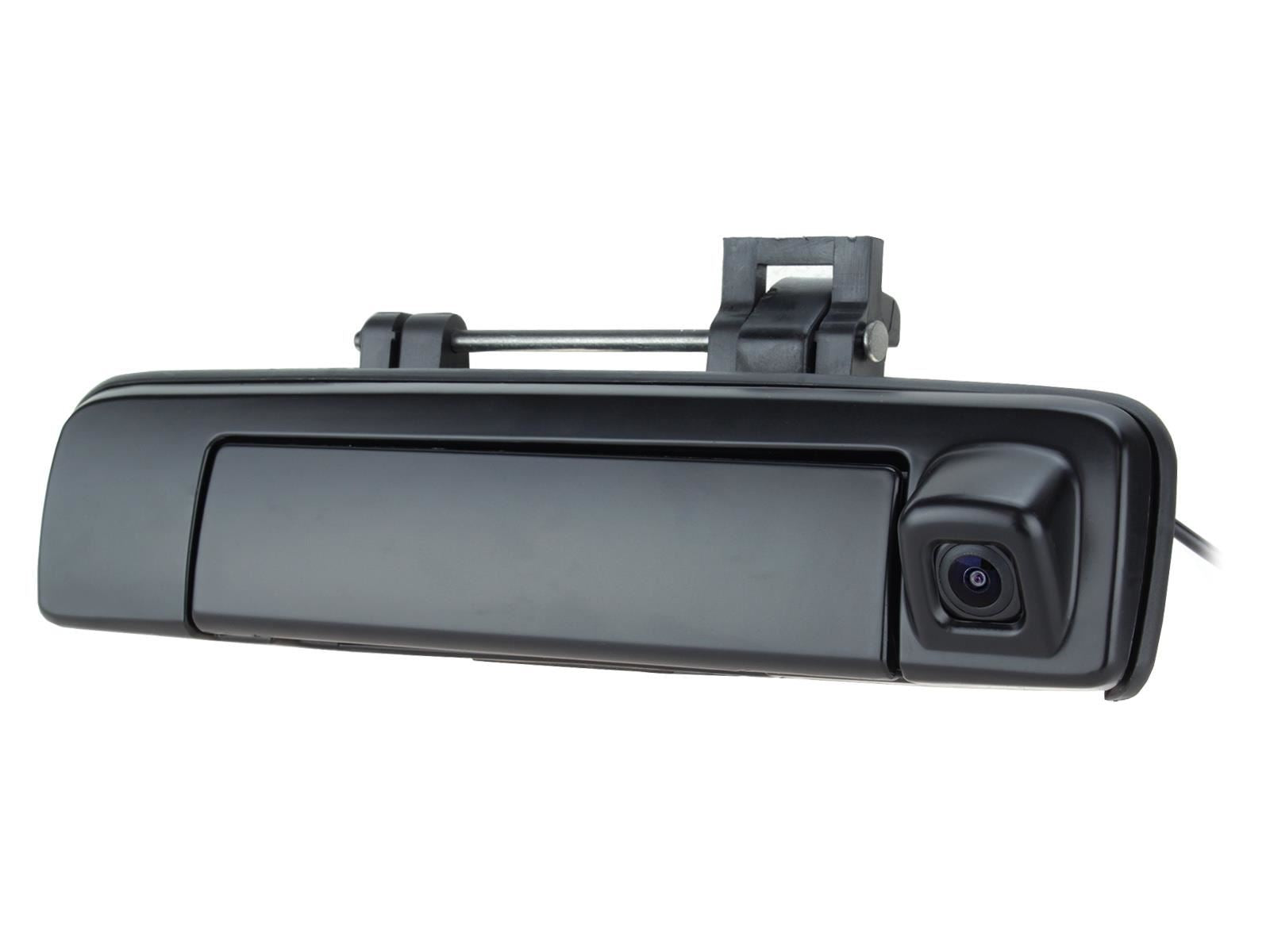
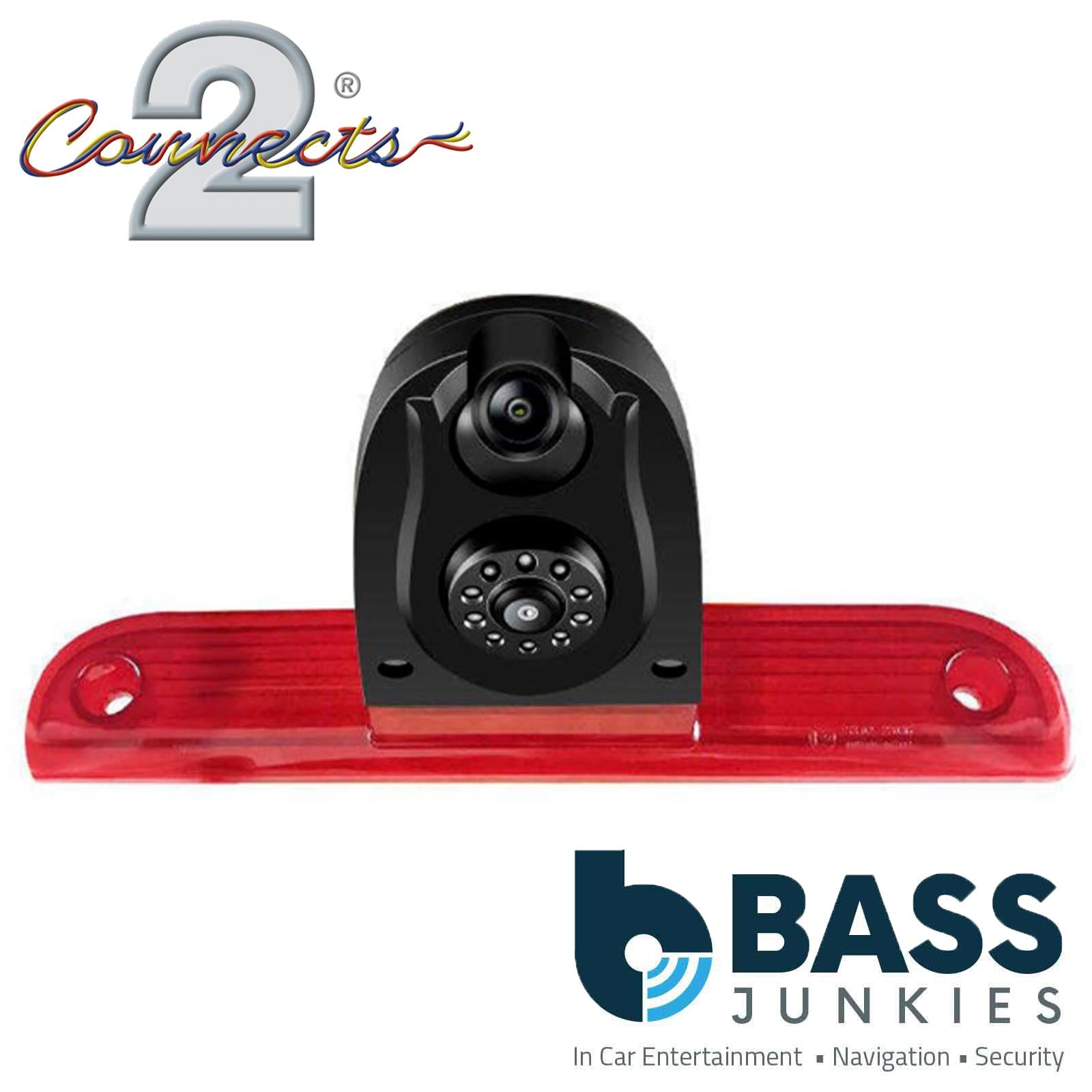
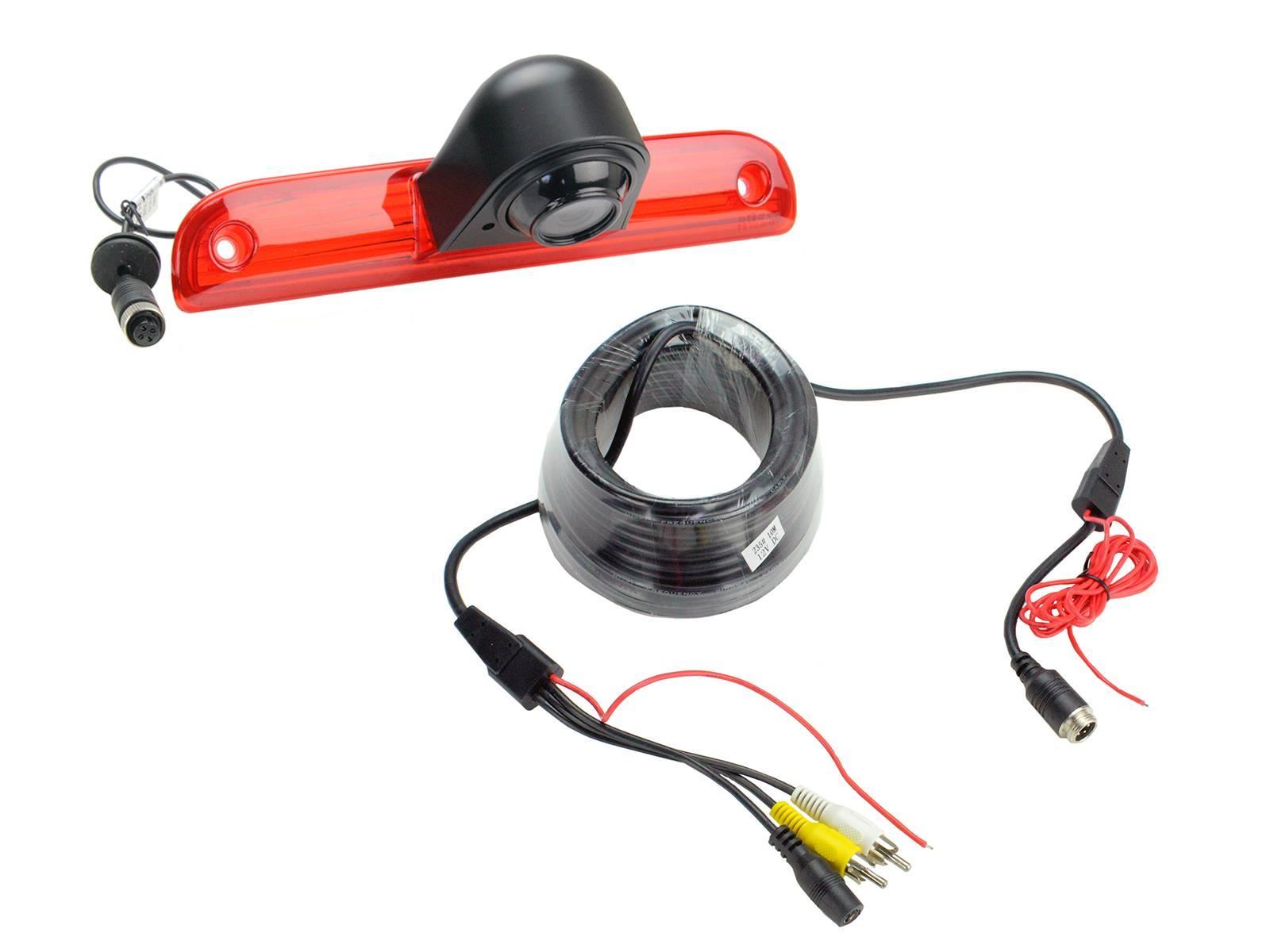
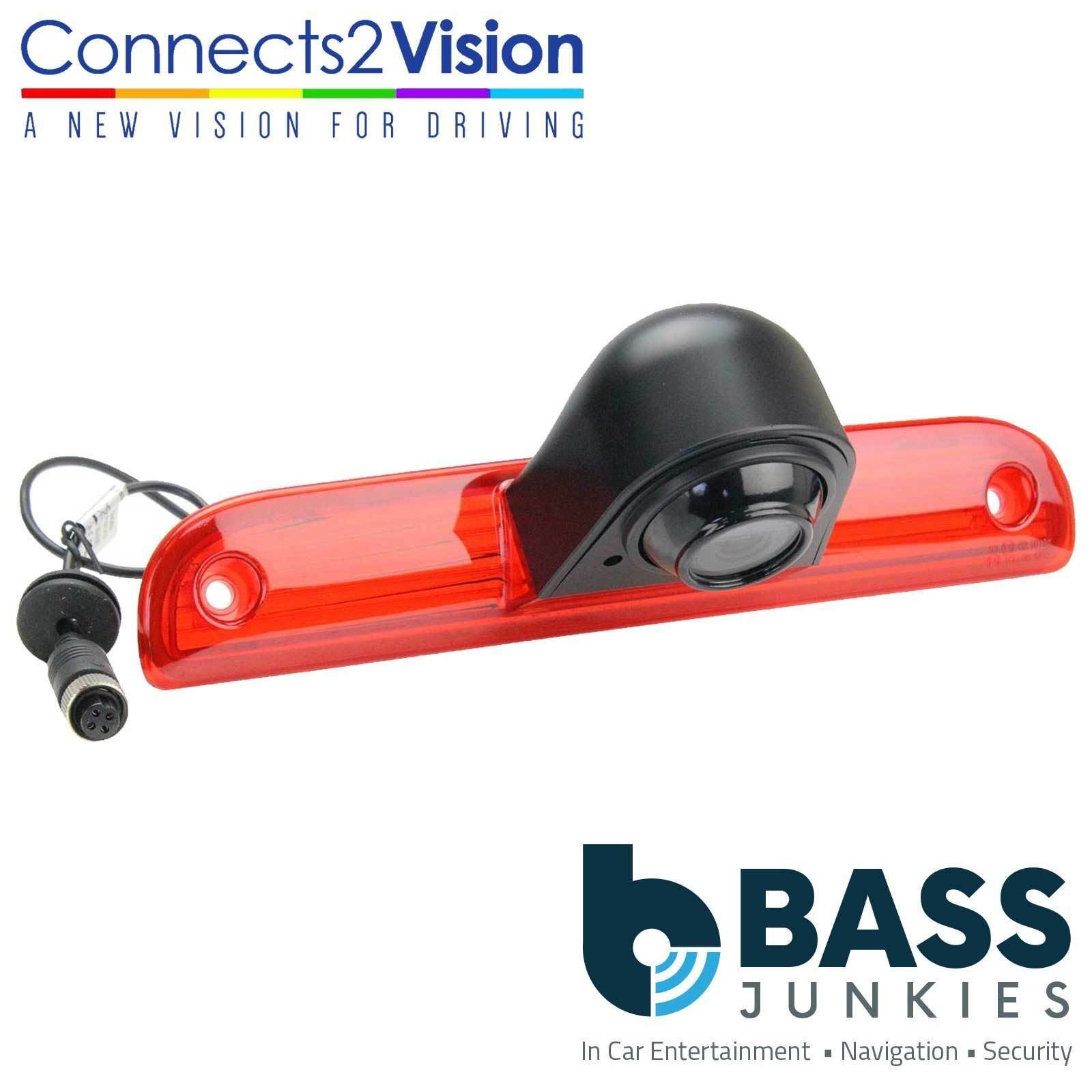
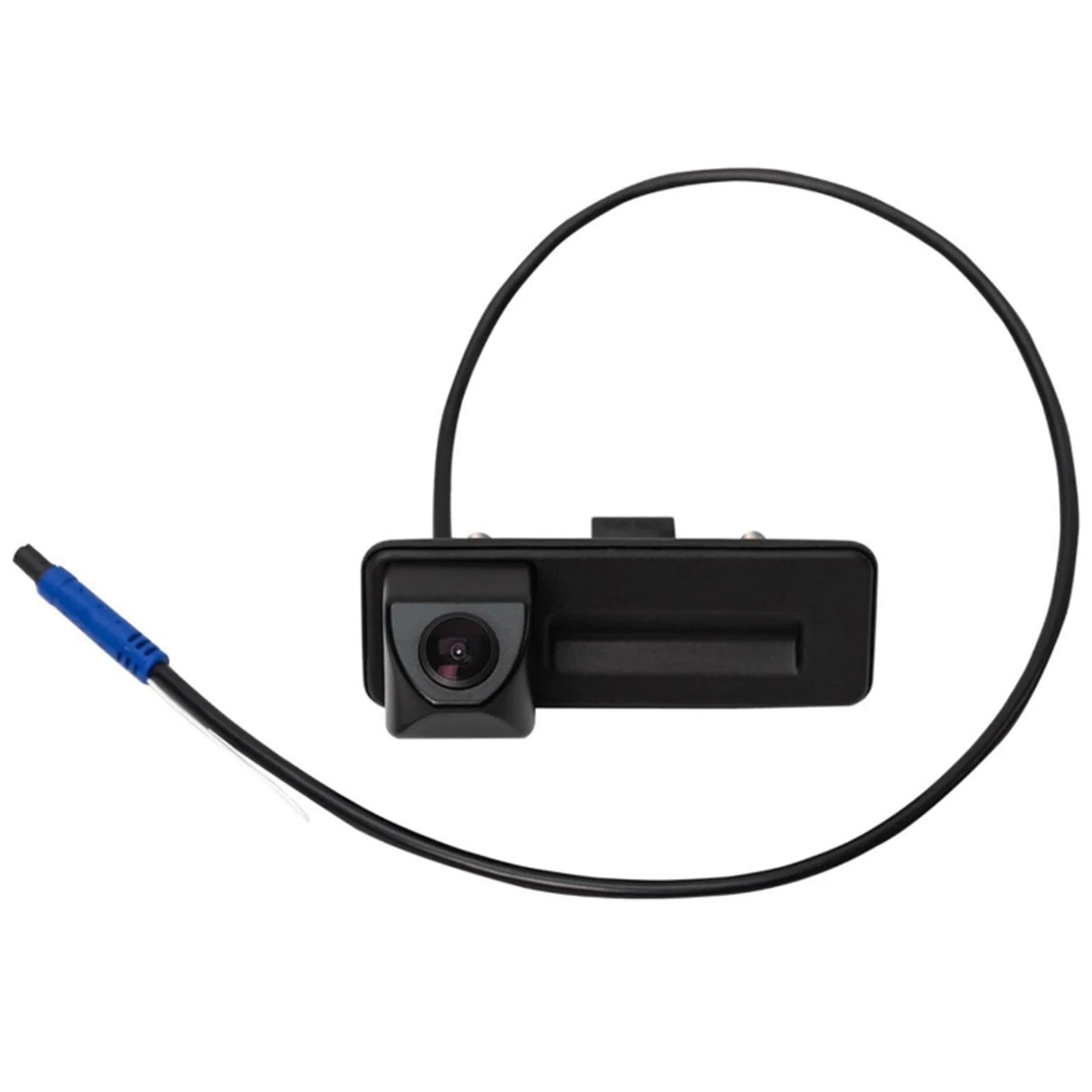
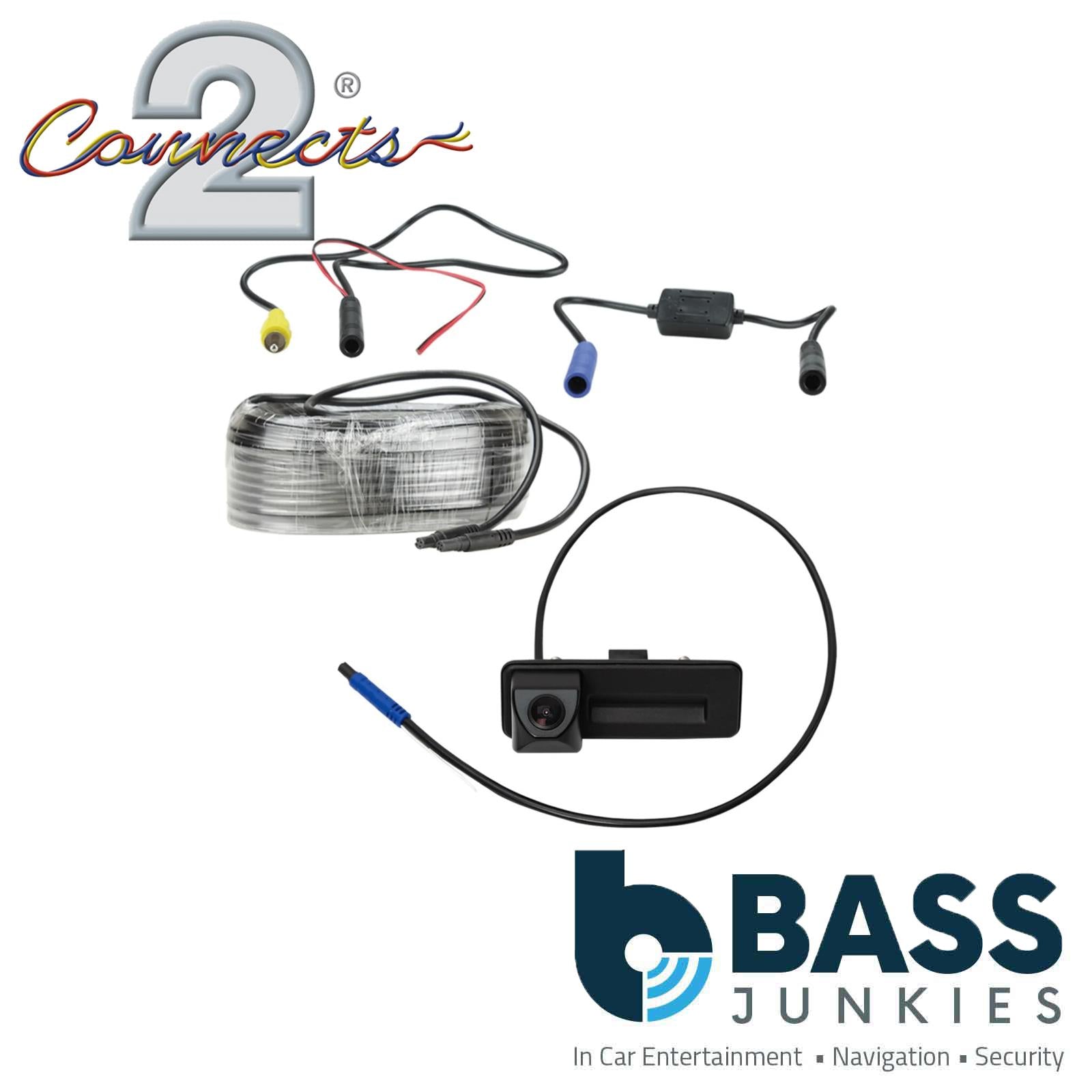
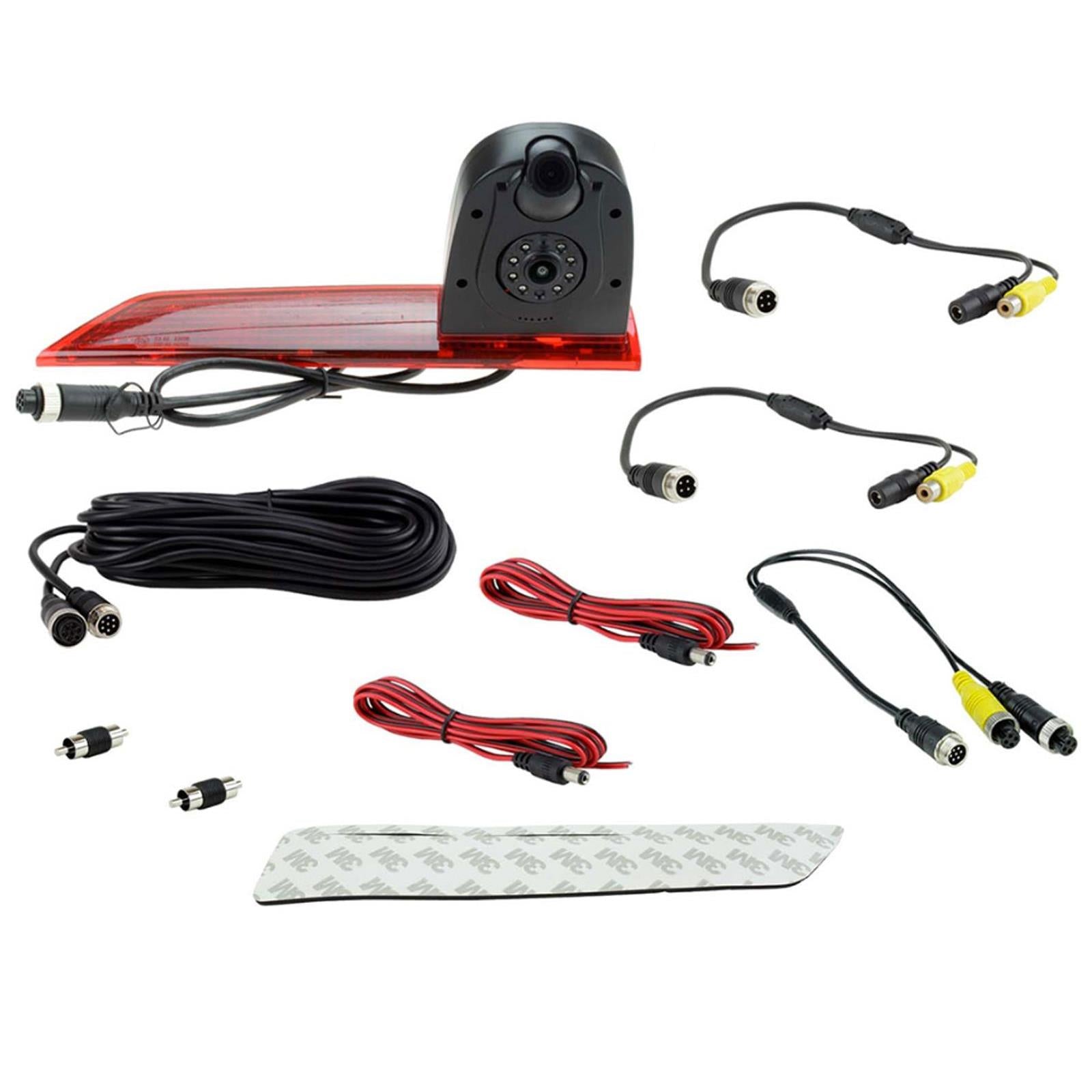
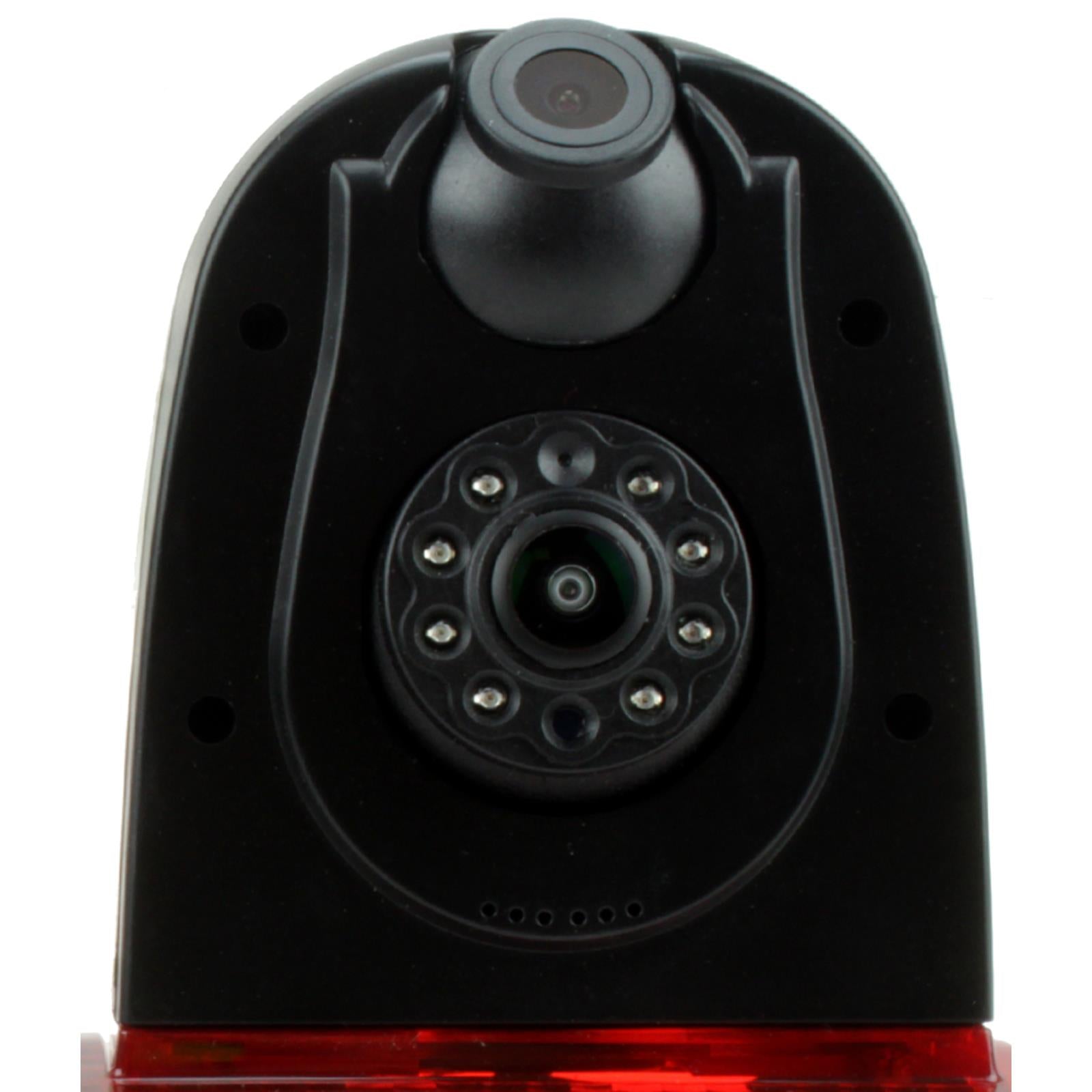
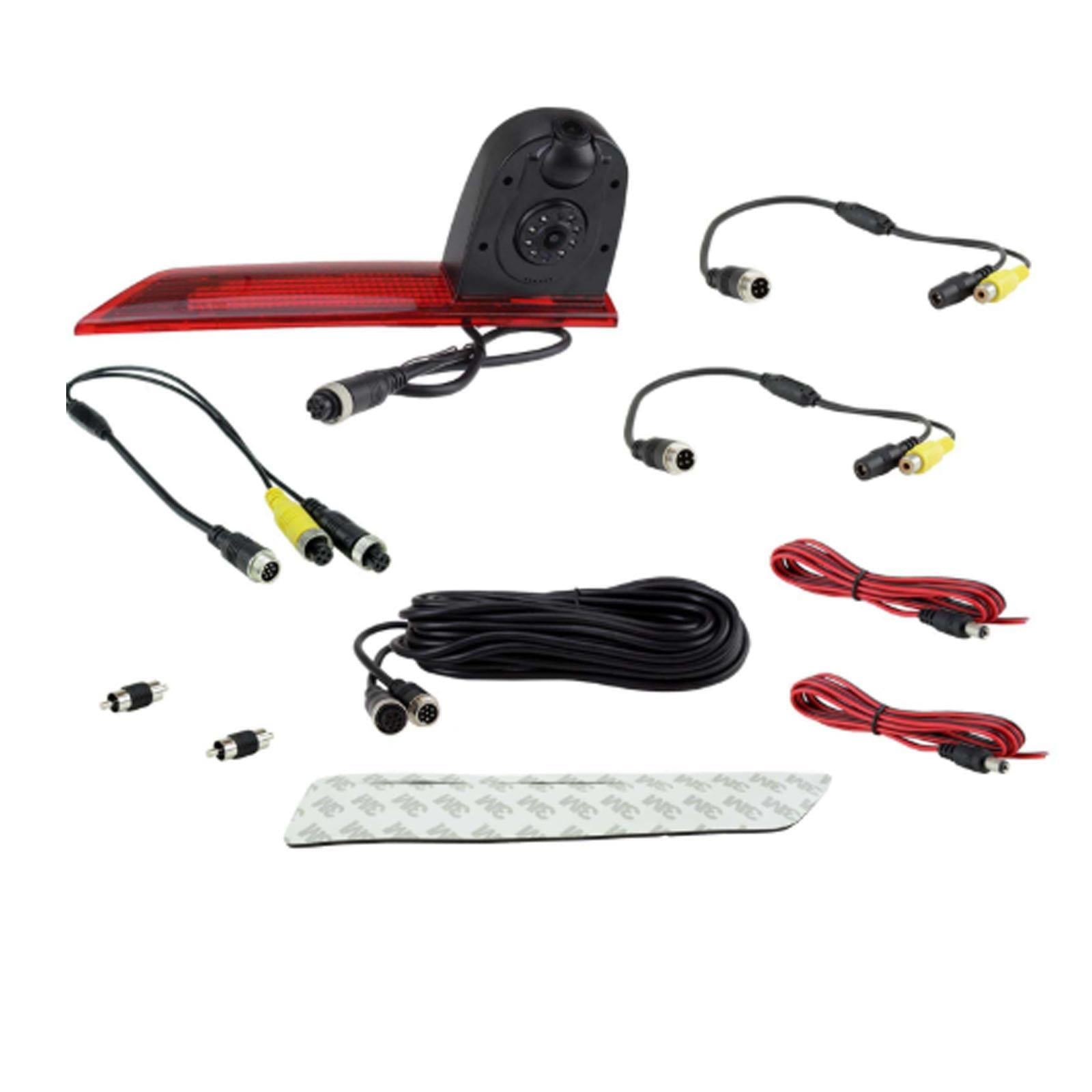
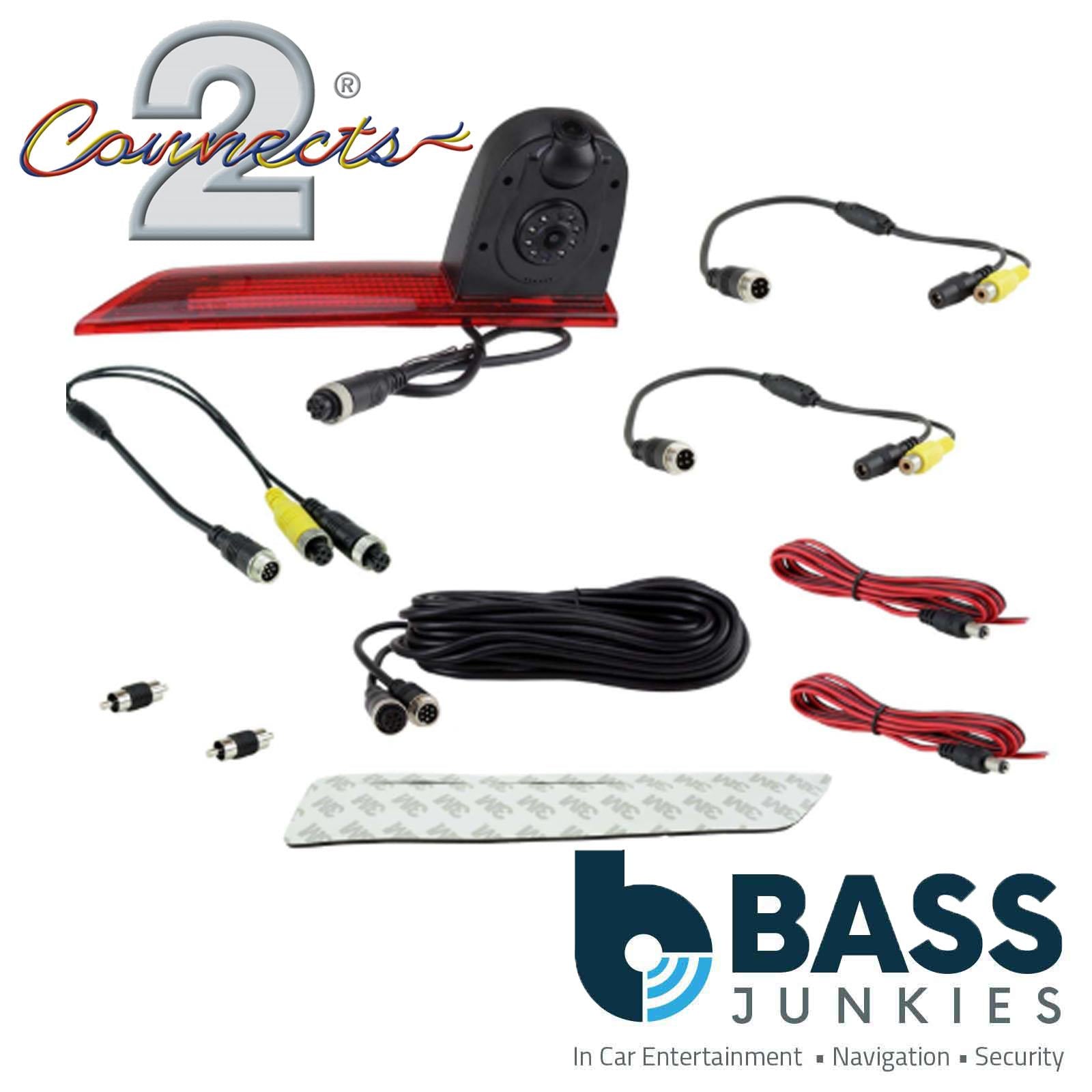
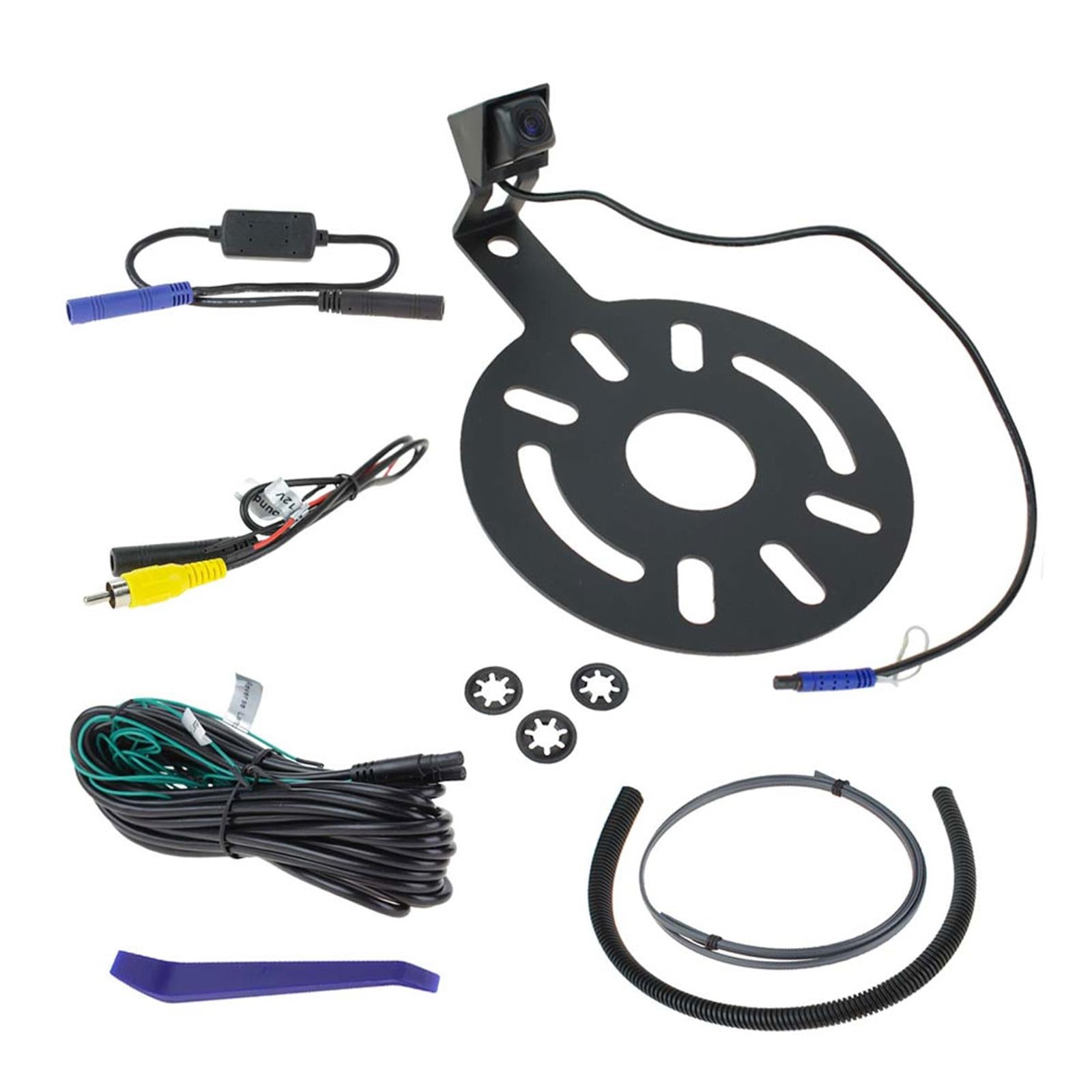
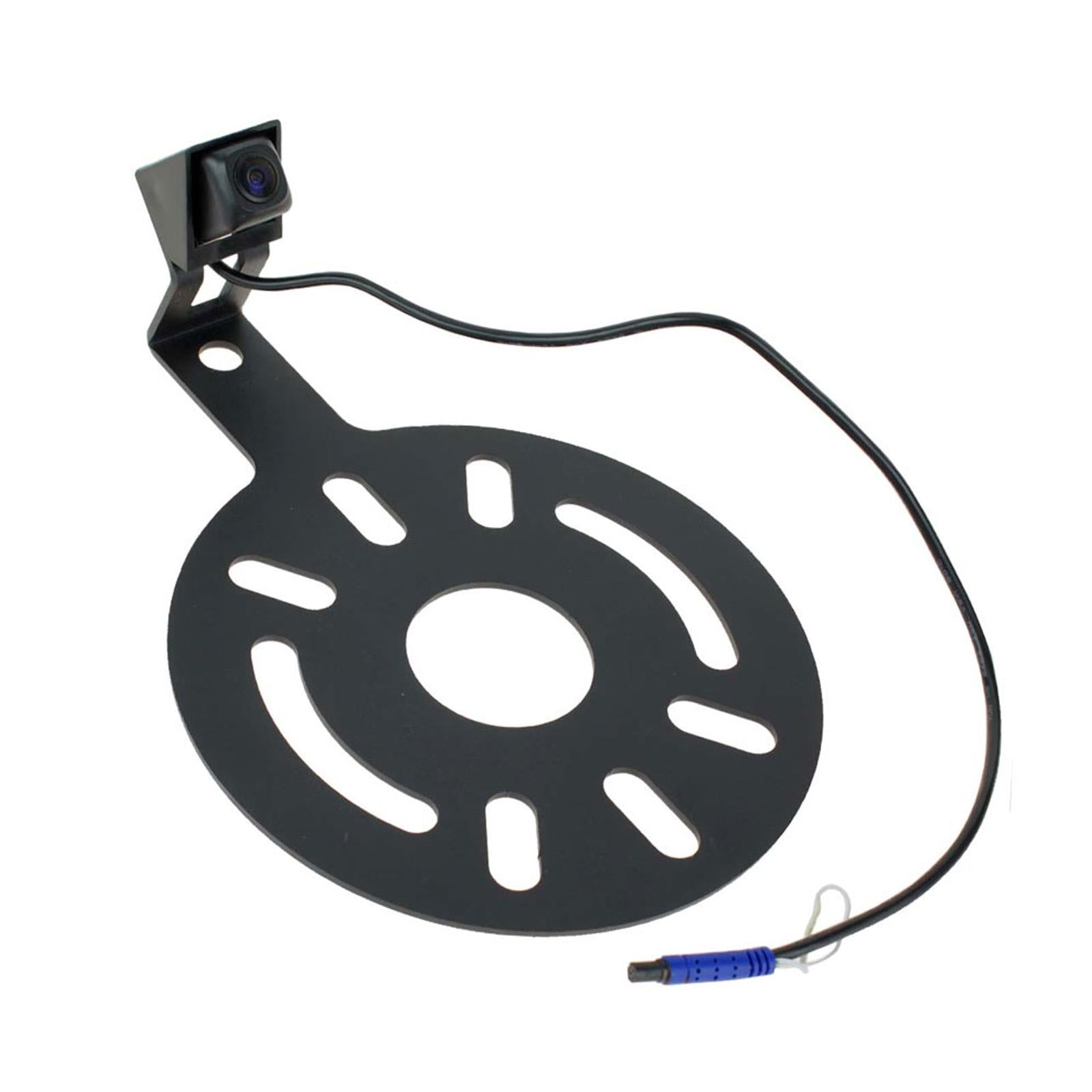
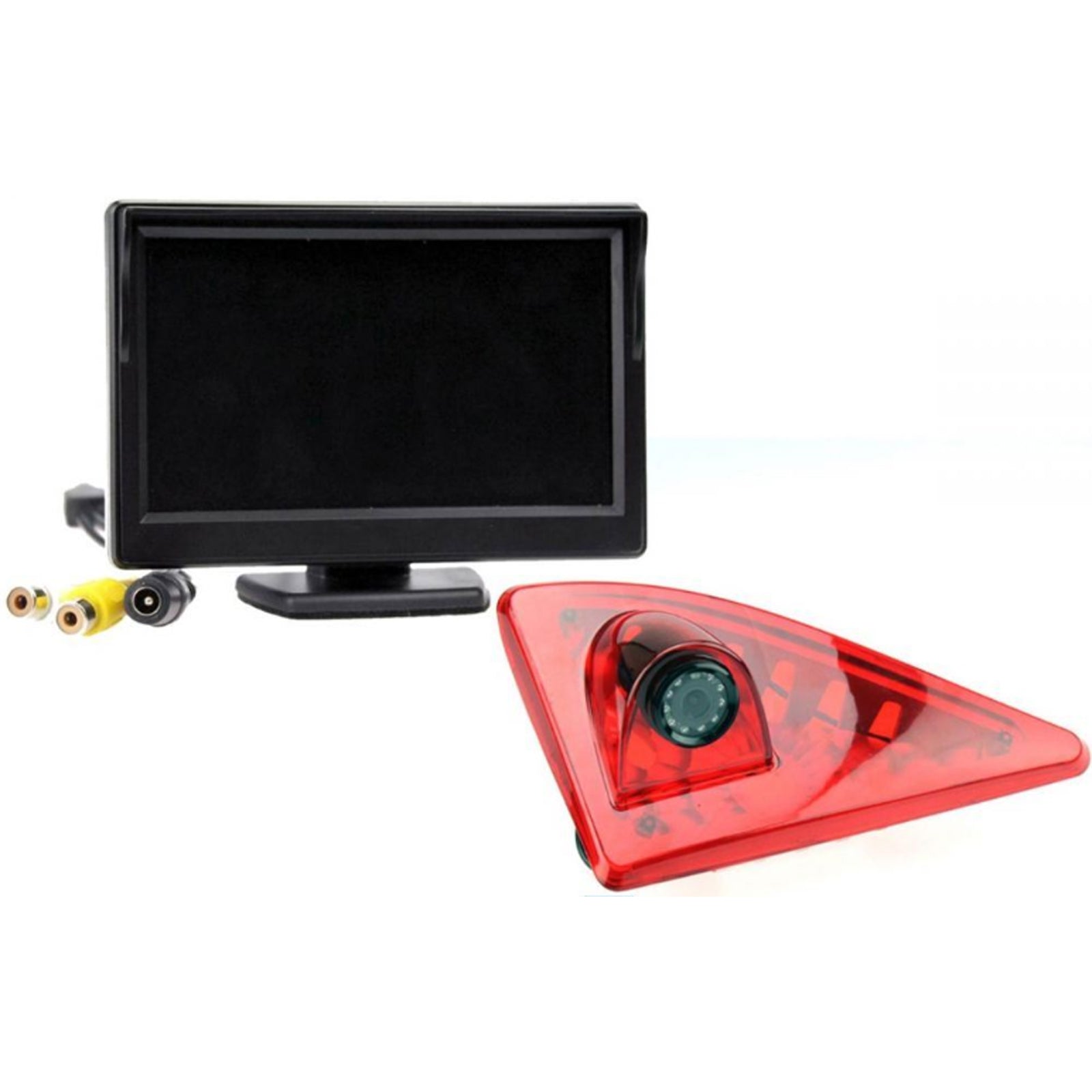
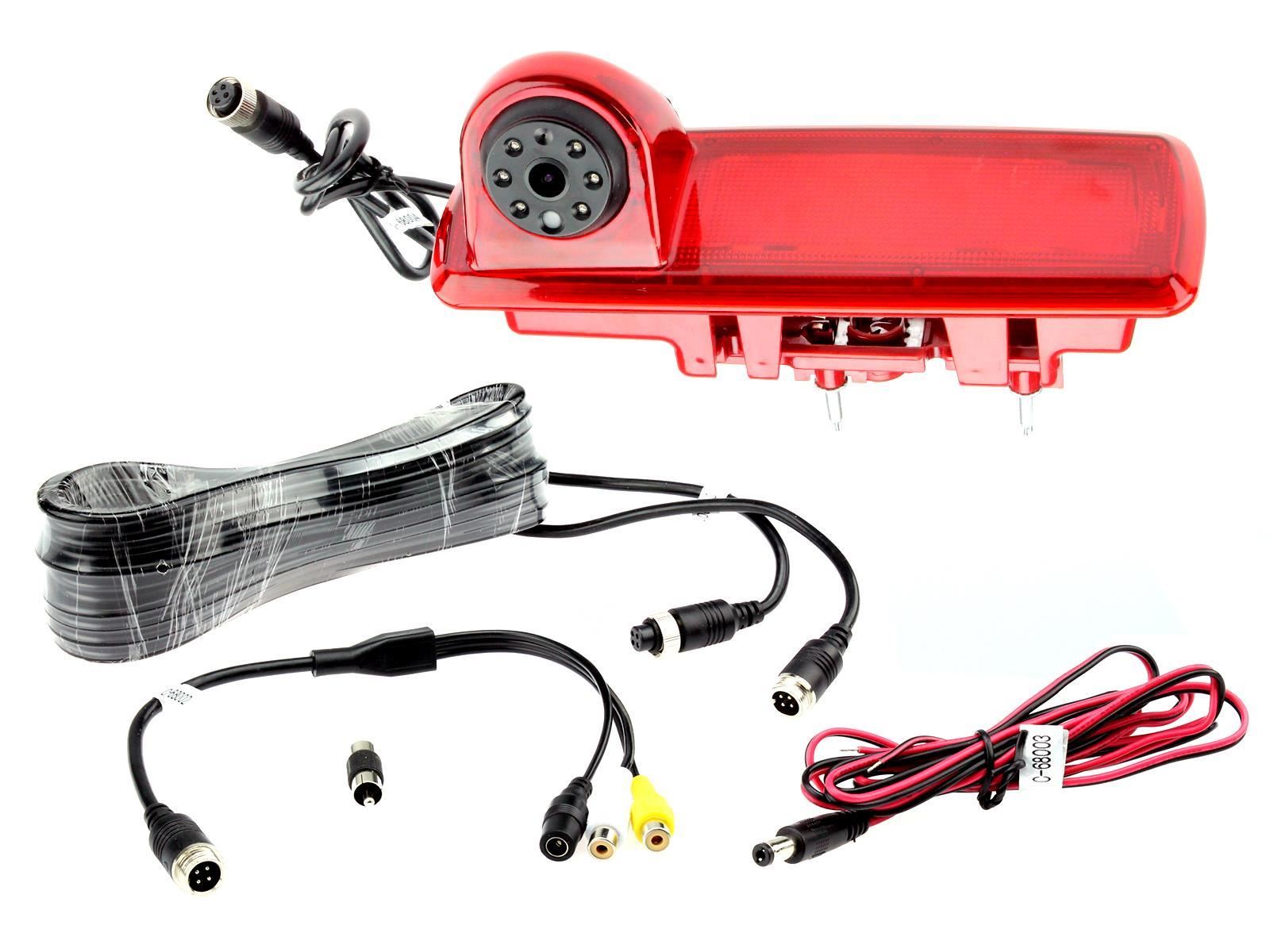
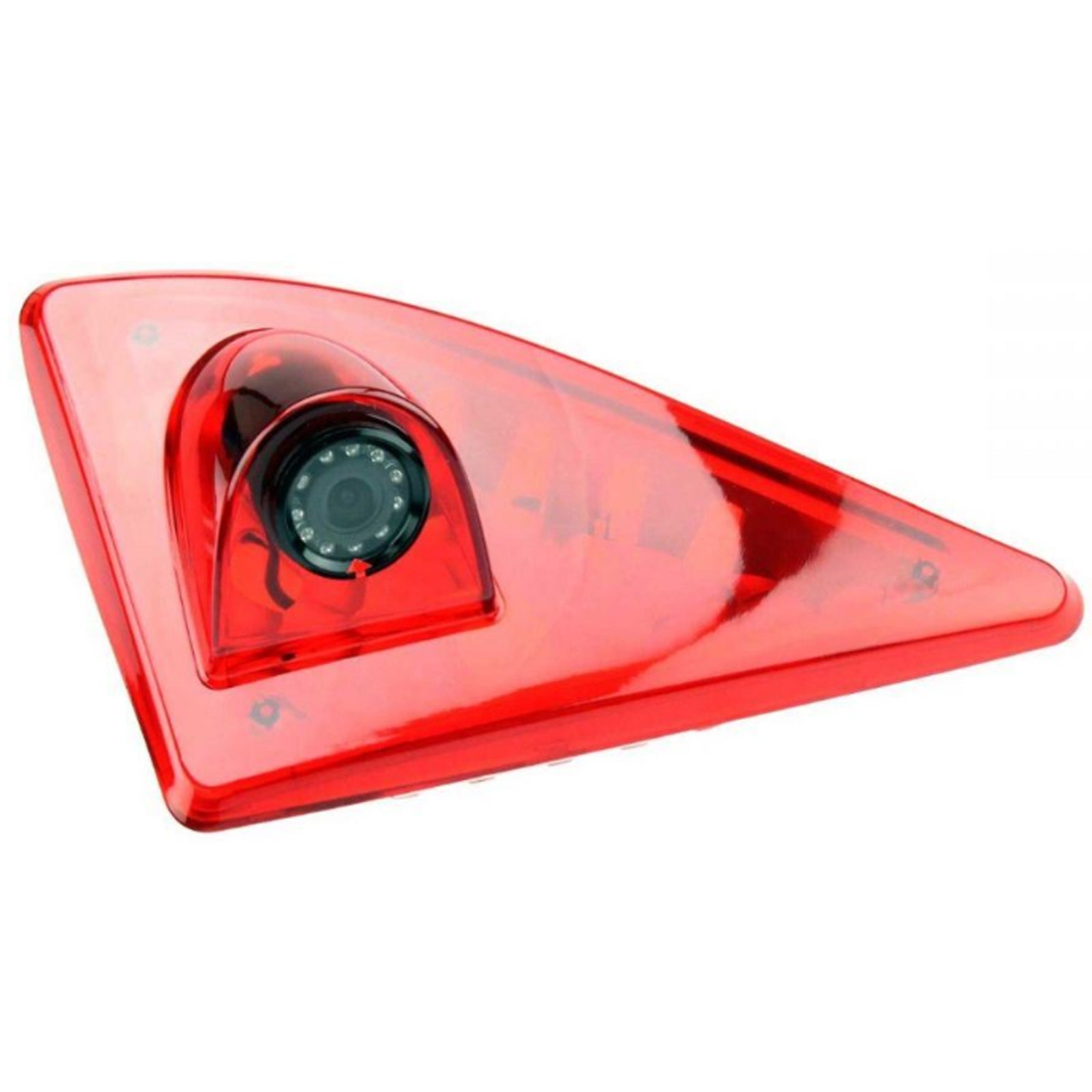
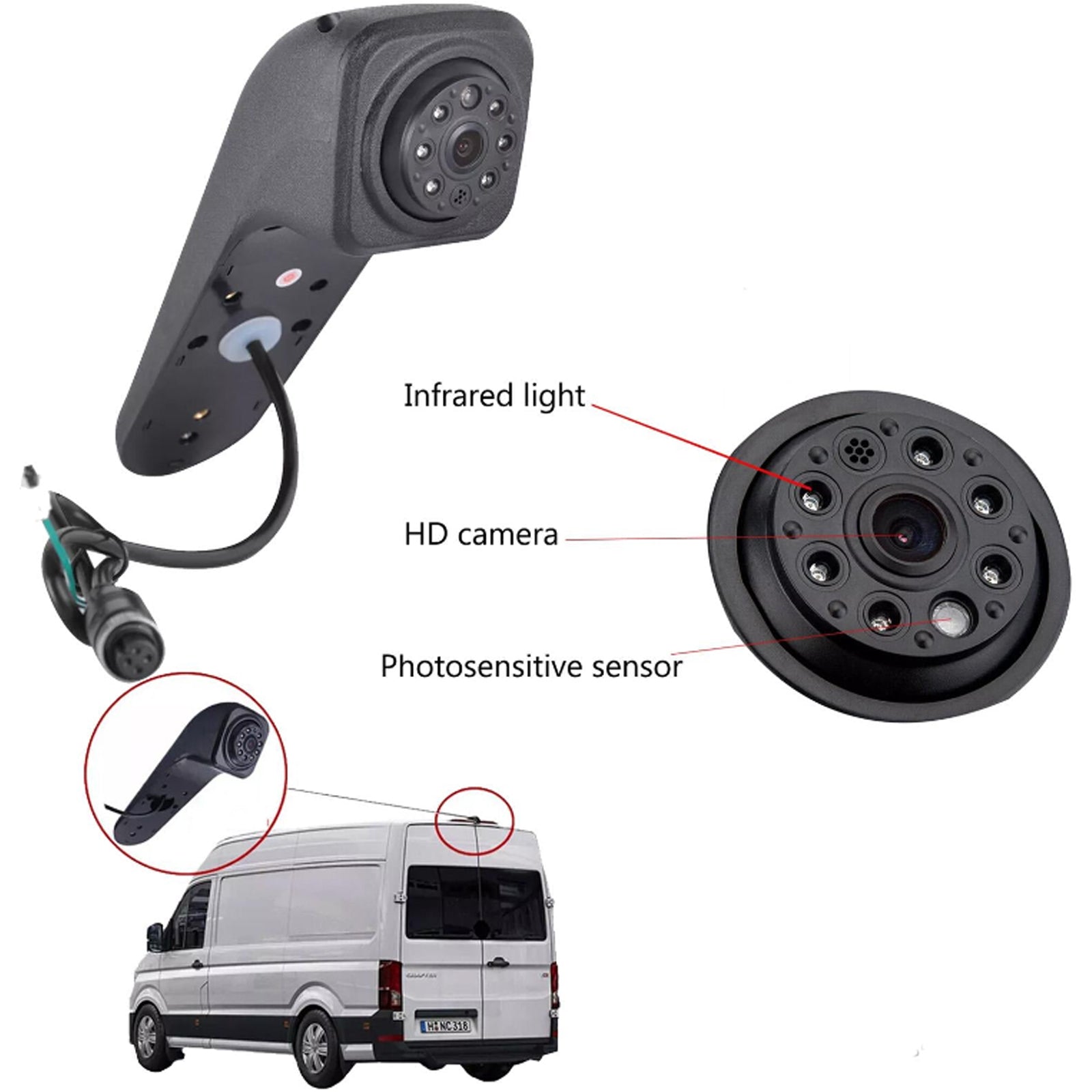
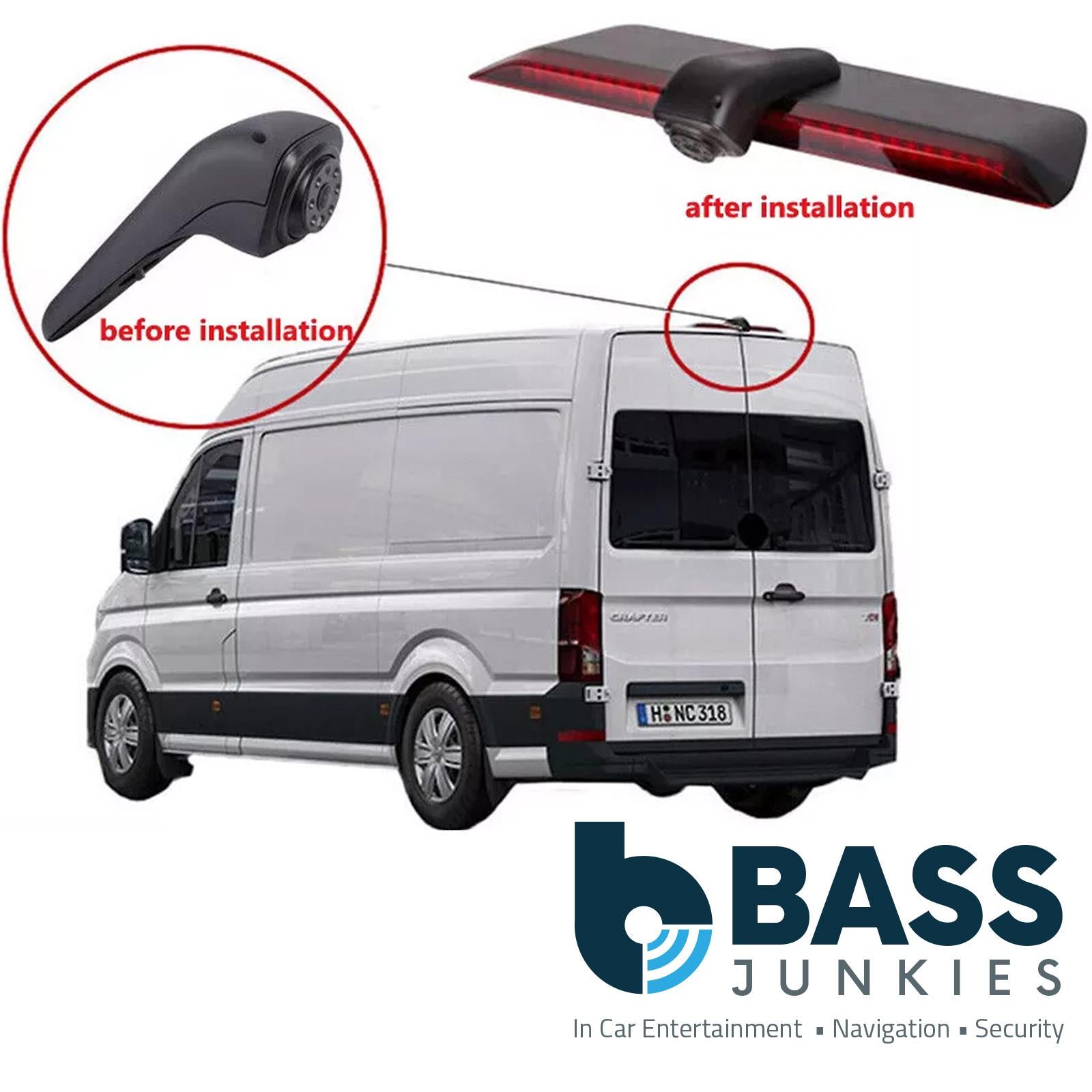
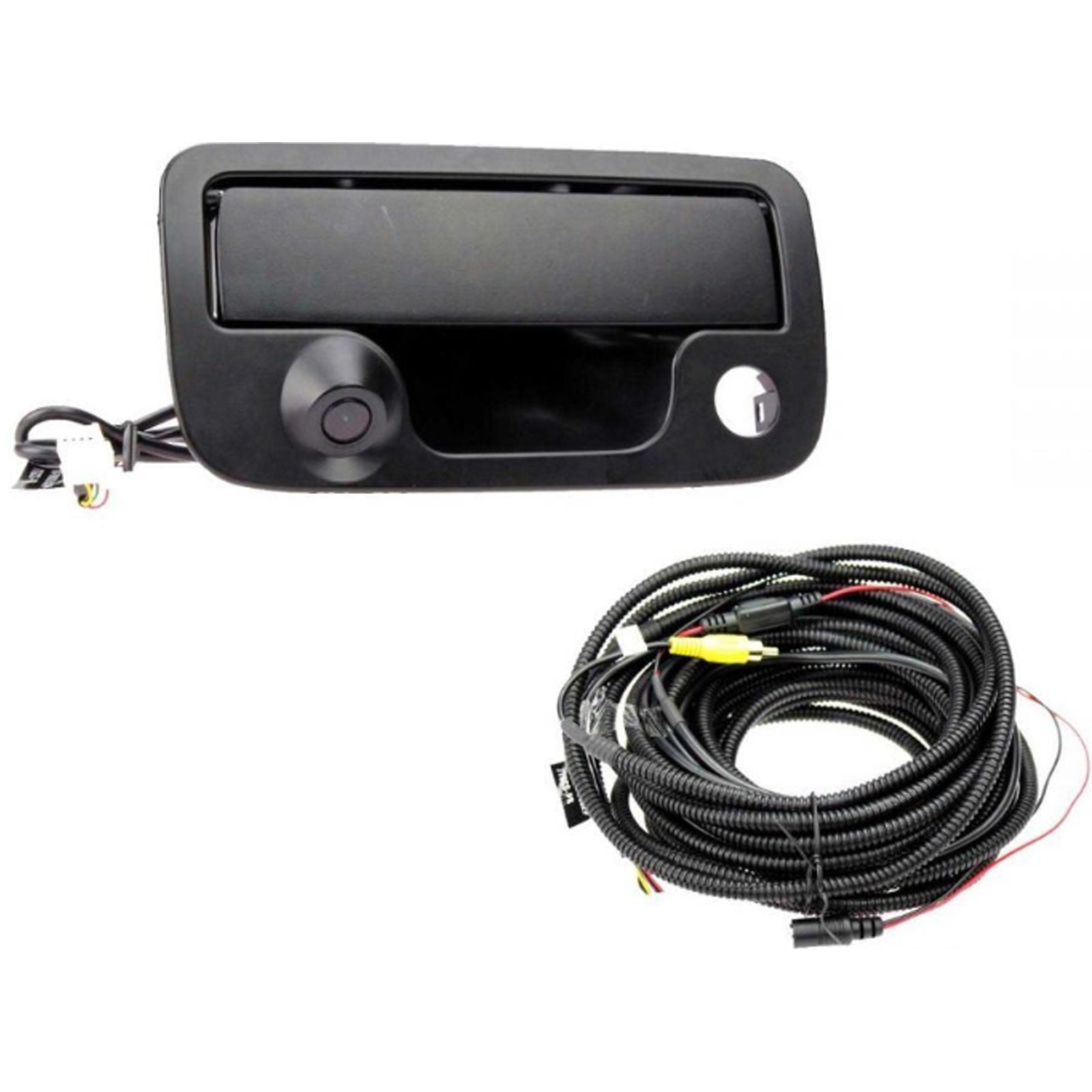
Park with confidence using vehicle specific reverse cameras from Bass Junkies, designed to drop into the original handle, badge or light cluster of your car or van for a true OEM appearance. Our range covers Volkswagen, Mercedes, Ford, Vauxhall, Audi, Renault and many more, with options for guideline overlays and CCD low-light sensors. Each camera is matched to factory wiring locations and chosen for clear UK number plate visibility, easy weatherproof fitment and dependable rearward image quality every time.
Recently viewed
Vehicle specific reverse cameras buying guide for 2026
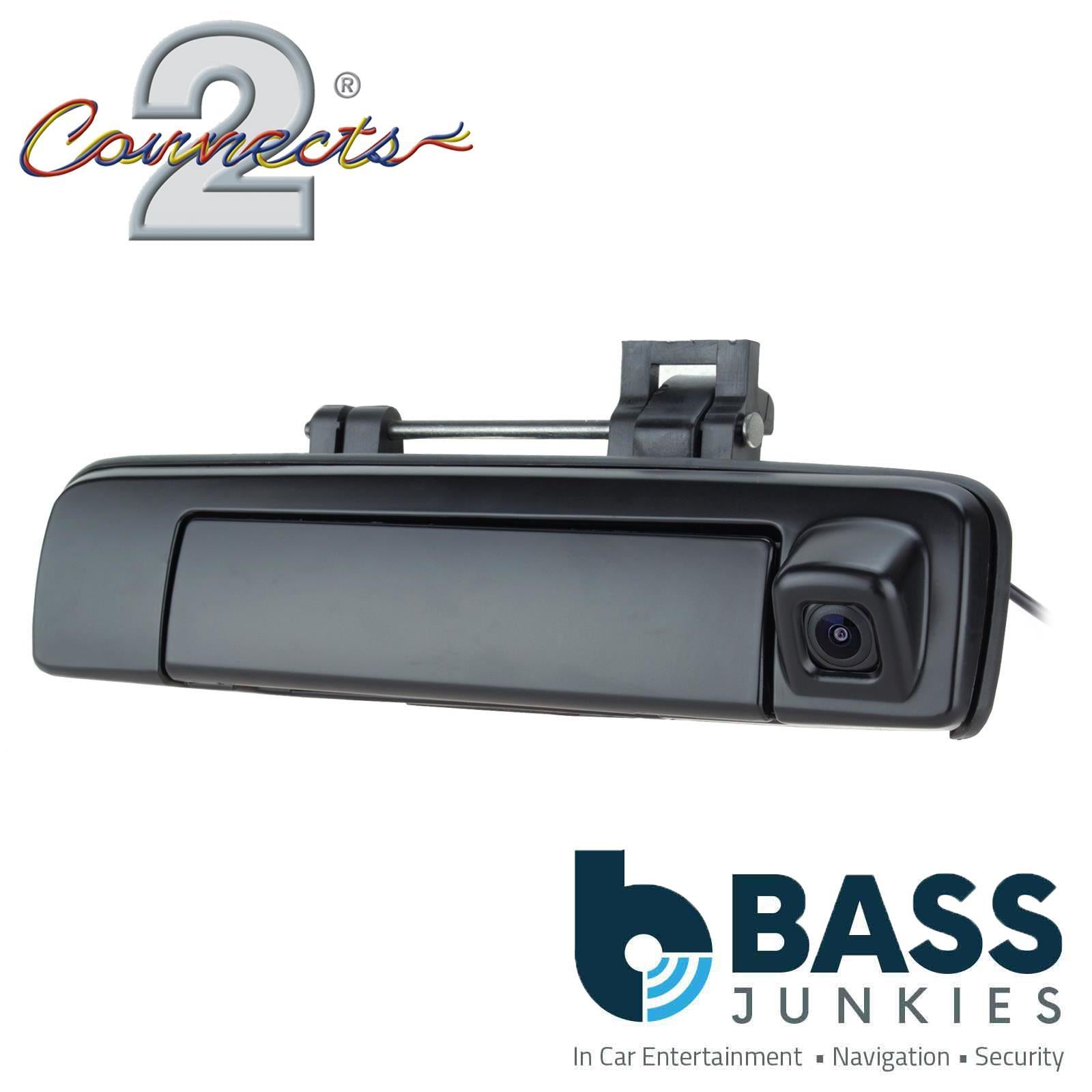
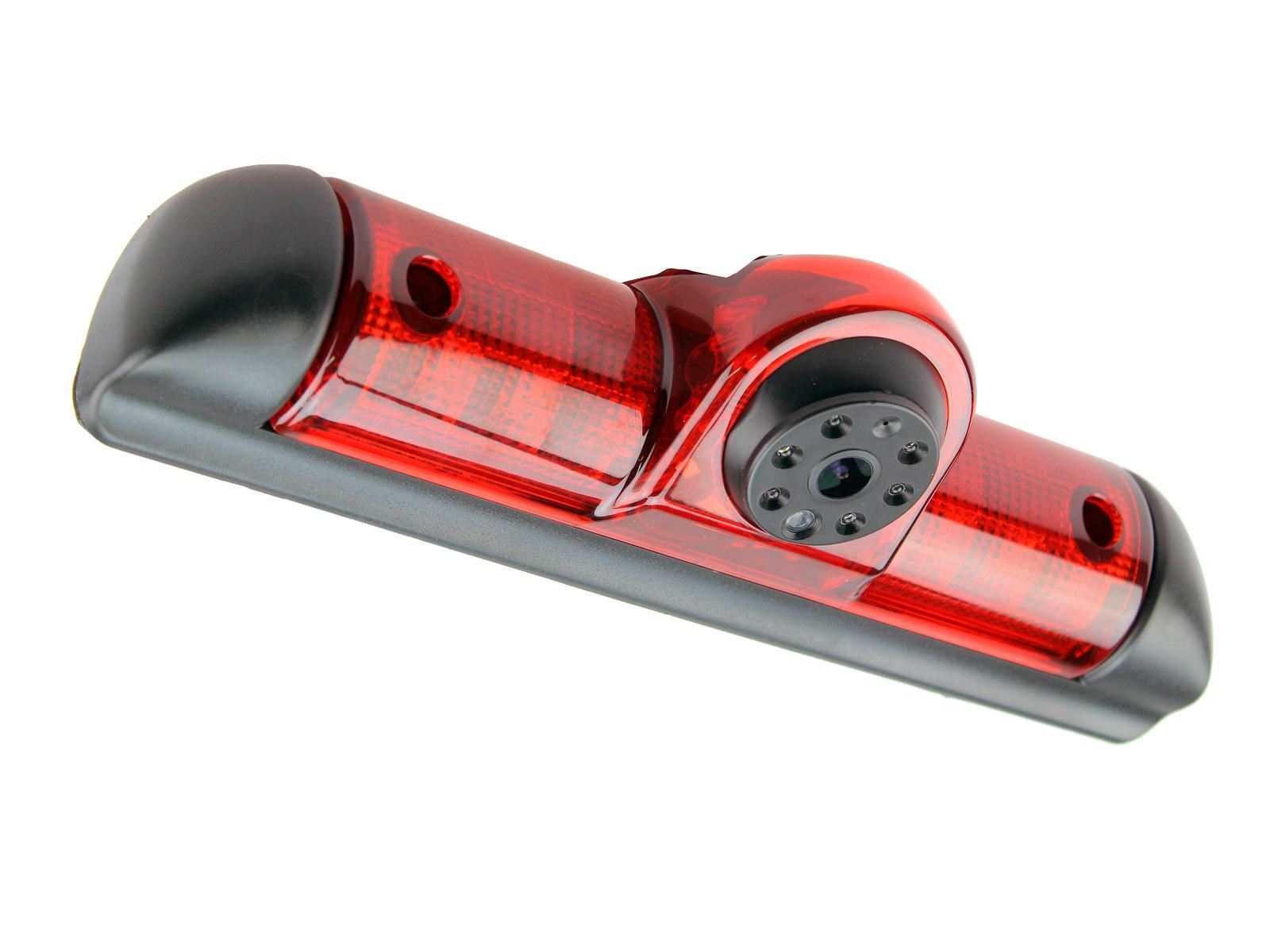
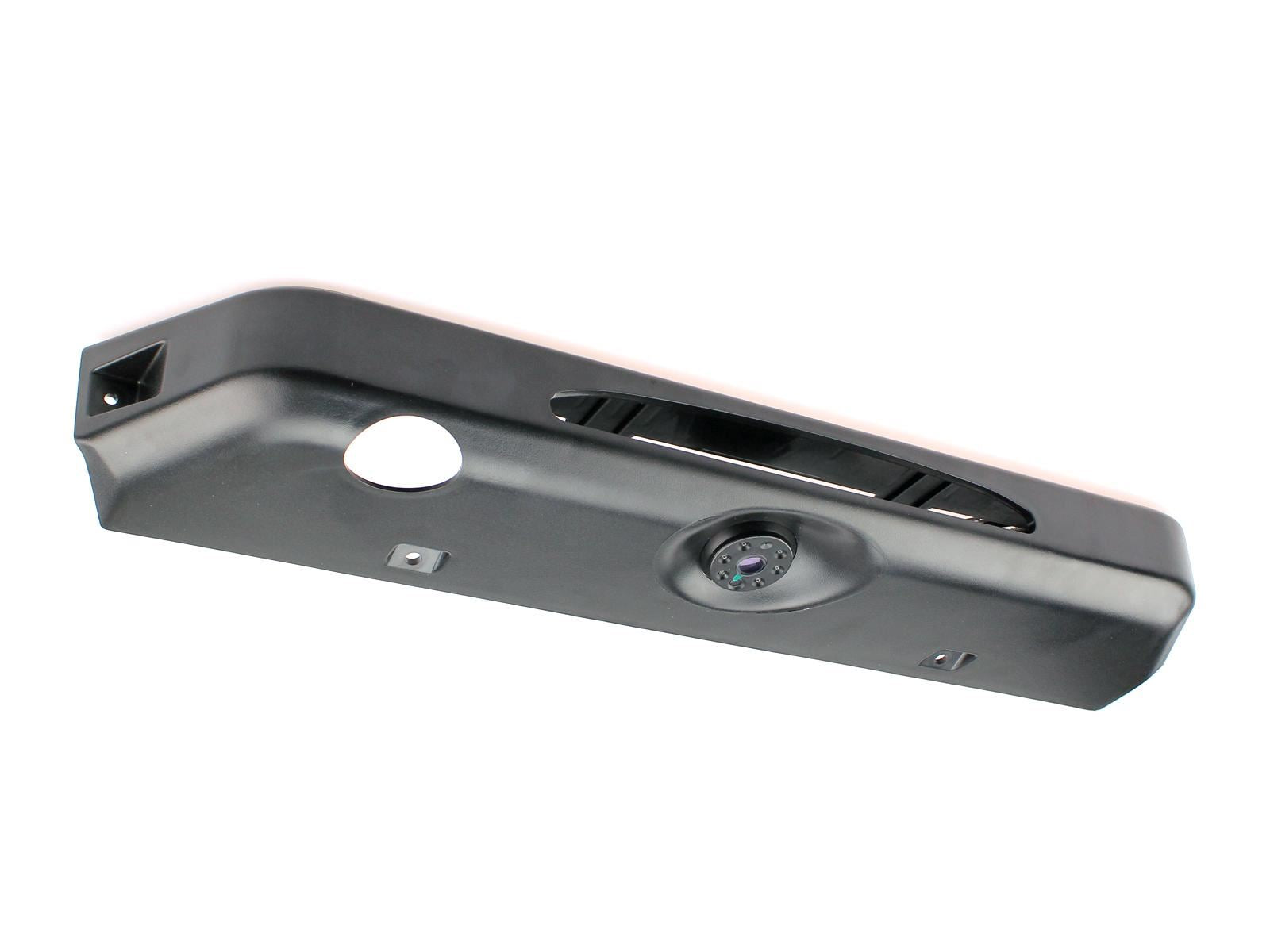
A universal camera bolted to a number plate surround does the job, but it never looks like it belongs. Vehicle specific reverse cameras replace an existing part of your car, usually the tailgate handle, boot badge or a factory light unit, so the finished result looks exactly as it would have done had the manufacturer fitted it. That matters for appearance, for weather sealing and for theft resistance, since there is nothing obvious to unclip.
How vehicle specific cameras differ
These units are moulded to match a particular model and year range, with the correct mounting points, cable exit and lens angle already calculated for that vehicle's rear end geometry. Because the camera sits where the factory intended, the viewing angle lines up with the bumper and the guidelines on screen actually correspond to where the car will go. Universal cameras usually need shimming and trial fitting to get close.
Key features to compare
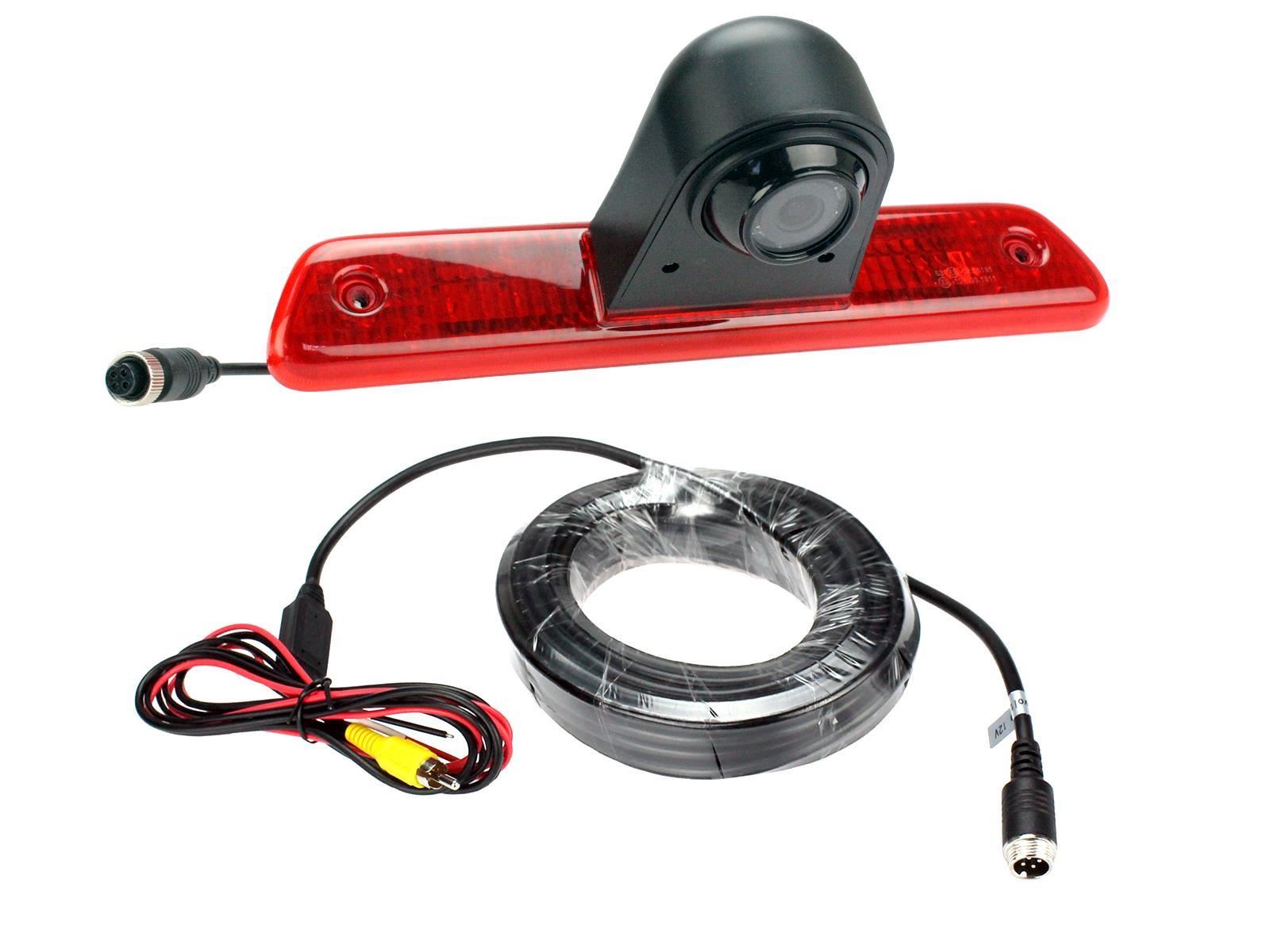
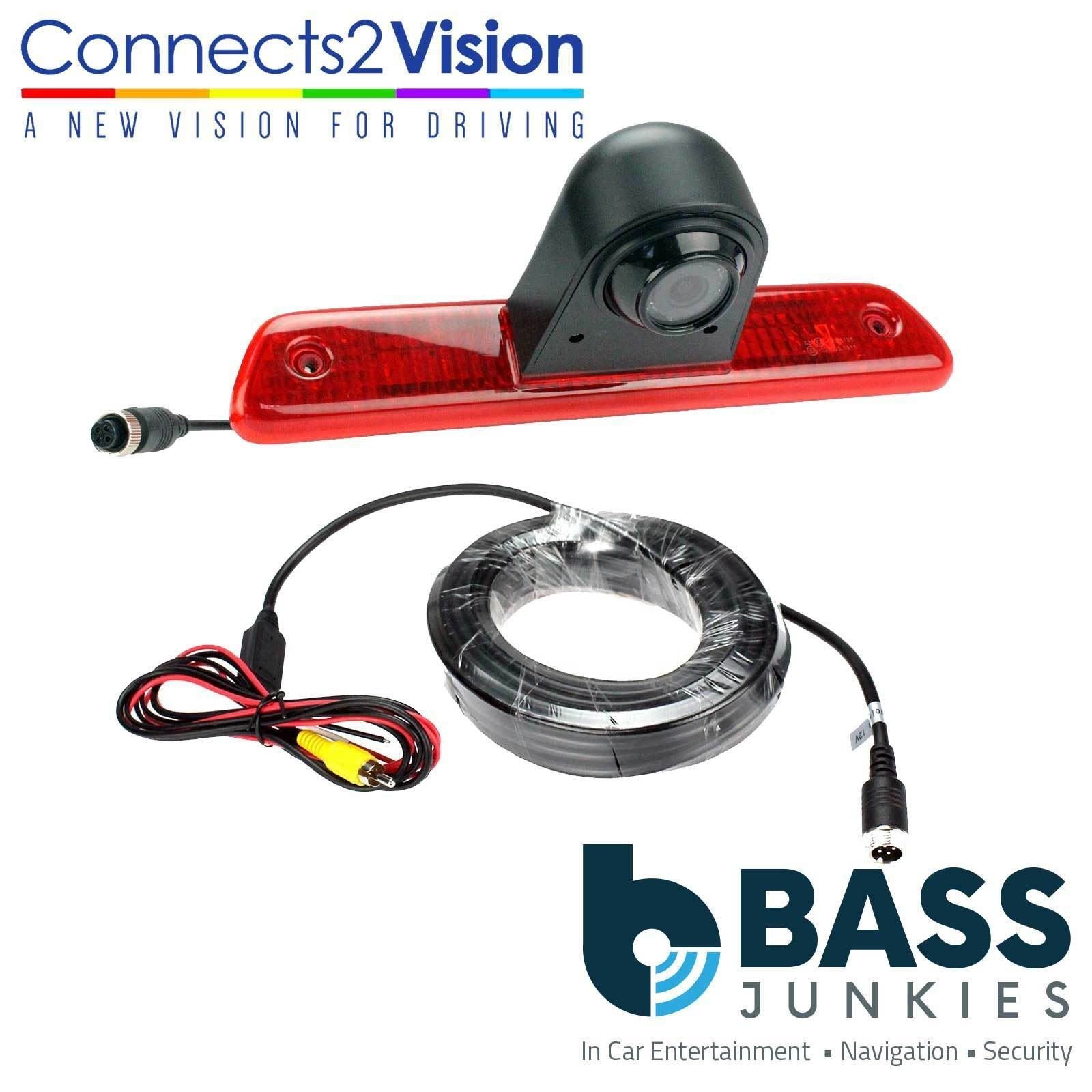
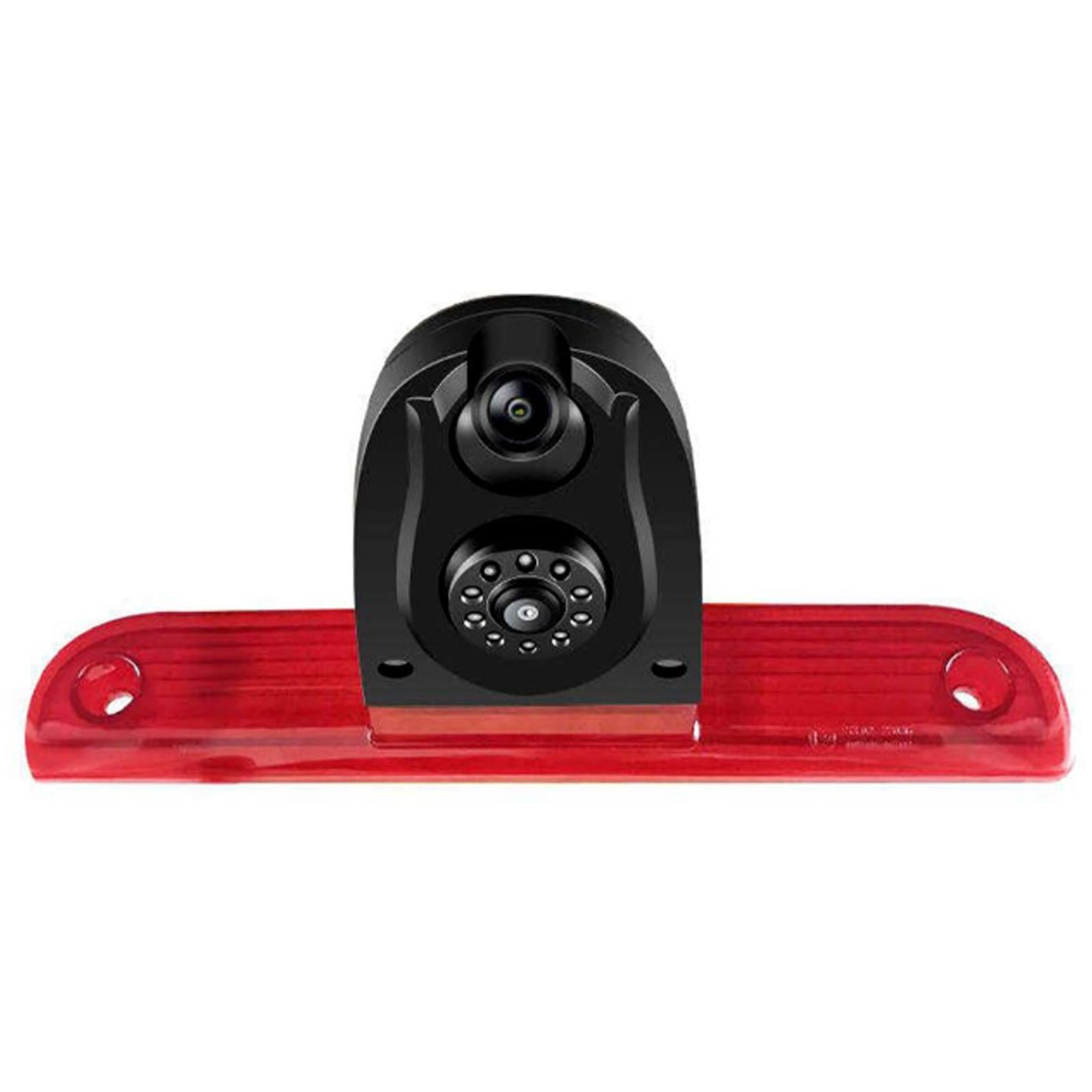
- Mounting style. Handle replacement, light replacement, badge mounted and bumper insert options each suit different models, so check which style your vehicle takes.
- Viewing angle. Around 130 to 170 degrees suits most cars. Very wide lenses show more but distort distance judgement near the bumper.
- Low light performance. Look at the lux rating. A camera that washes out under a street lamp is little use on a dark driveway.
- Guideline options. Some cameras output fixed parking lines, others allow lines to be switched off so your head unit can draw its own.
- Ingress protection. IP67 or better is sensible on any UK vehicle given salted winter roads.
- Output format. Most are standard composite for aftermarket screens, though some models offer factory screen retention through a dedicated interface.
Brand quality at a glance
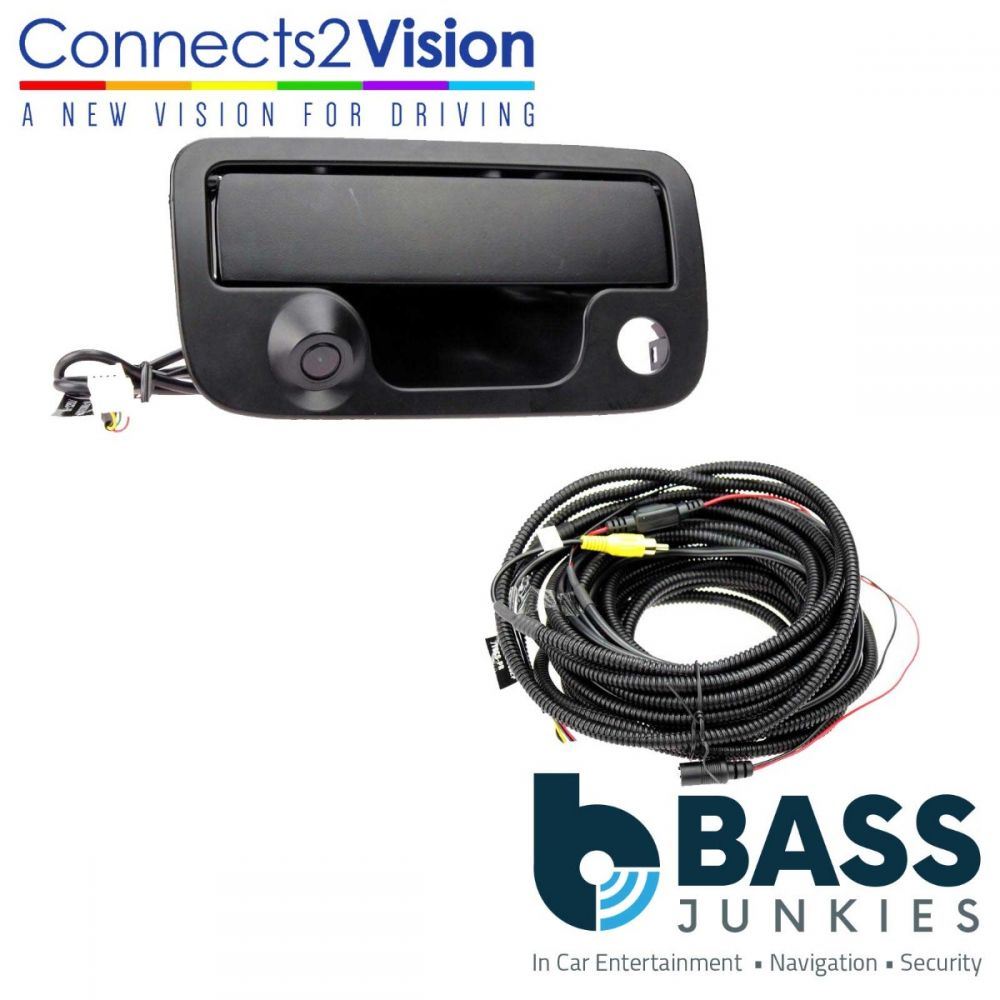
- Connects2. Broad UK model coverage with CAM series replacement handles and housings, including van applications.
- Echomaster. Model specific cameras for Skoda, Peugeot, Land Rover, Mercedes and many more, known for tight panel fit.
- Autoleads. Cameras plus the extension leads, triggers and adapters needed to complete the run.
- Alpine, Pioneer and Kenwood. Head units and screens these cameras are most commonly paired with.
- Stinger. Cable, distribution and integration parts for a clean install.
Retaining the factory screen
Many vehicles built from around 2012 onwards already have a dashboard screen. Rather than replacing it, a camera retention interface injects the video feed into the existing display and triggers it on reverse gear. This is often the neatest and cheapest route, particularly on vans and commercial vehicles where a large aftermarket screen would look out of place. Check which interface your model needs before ordering the camera.
Compatibility and fitting
- Fascia adapter. Needed only if you are fitting a new head unit alongside the camera, to finish the dashboard properly.
- ISO harness. Allows the head unit and camera trigger to connect without cutting factory wiring.
- Steering wheel control adapter. Retains wheel mounted buttons when an aftermarket screen replaces the original unit.
- Aerial adapter. Matches the factory antenna plug to the new head unit, including amplified aerial phantom power.
Wiring and the reverse trigger
The camera needs a twelve volt feed that goes live in reverse gear, plus an earth and a video run to the front of the car. On older vehicles the reverse light circuit is the obvious source. On newer CAN bus models the reverse light may be pulsed or switched by a module, so a dedicated CAN interface gives a cleaner and more reliable trigger. Run the video lead down the opposite side of the vehicle to any amplifier power cable to avoid interference lines on screen.
Getting the tailgate loom right
The most common failure point on any rear camera is the flexible section between the body and the tailgate. Route the cable through the factory rubber concertina rather than alongside it, leave enough slack for full hinge travel, and seal the entry point with grommet compound. A camera that works perfectly on the bench and fails after six months of tailgate cycles almost always has a broken conductor at that flex point.
Why buy from Bass Junkies
Bass Junkies has been supplying and installing vehicle electronics since 1995, and our Wolverhampton workshop fits reverse cameras across everything from small hatchbacks to long wheelbase vans. That hands on experience means we can confirm which camera actually fits your registration, whether your factory screen can be retained, and which interface you will need. Call the team on 01902 863 005 and we will check compatibility before you order.